
Sewer Line Warning Signs Homeowners Should Never Ignore
Hidden sewer problems can turn into major home disasters if caught too late.
Introduction
Most plumbing problems give homeowners some warning—dripping faucets, slow drains, or visible leaks. Sewer line issues are different. They often develop underground, out of sight, until a serious and expensive failure occurs.
In Cambridge homes, aging infrastructure, tree-lined neighborhoods, and seasonal ground movement all increase the risk of sewer line damage. Unfortunately, many homeowners don’t recognize the early warning signs and mistake them for minor drain issues.
This article explains how sewer lines work, the most common causes of sewer damage in Cambridge, early symptoms you should never ignore, and what to do if you suspect a problem.
1. What Your Sewer Line Actually Does
Your sewer line carries wastewater from toilets, sinks, showers, and appliances out of your home and into the municipal sewer system. Unlike smaller drain pipes inside your home, the main sewer line handles all waste and operates continuously.
When the sewer line is compromised, wastewater has nowhere to go—and it often comes back into the home.
The
City of Cambridge is responsible for sewer pipes located under public property, but homeowners are responsible for the sewer lateral running from the home to the municipal connection:
2. Why Sewer Line Problems Are Common in Cambridge
Several local factors contribute to sewer issues:
- Older homes with clay or cast-iron sewer pipes
- Mature trees with invasive root systems
- Freeze-thaw soil movement
- Ground settlement and shifting
- Grease and debris buildup over time
According to the Government of Ontario,
aging underground infrastructure is a growing concern across the province:
These factors make proactive sewer maintenance especially important for Cambridge homeowners.
3. Early Warning Signs of Sewer Line Trouble
Multiple Drains Backing Up at Once
When more than one drain backs up simultaneously, it often indicates a blockage in the main sewer line—not an isolated fixture issue.
Gurgling Noises from Toilets or Drains
Air trapped in sewer pipes causes bubbling or gurgling sounds, especially after flushing or draining water.
Sewage Smells Inside or Outside the Home
Persistent sewer odors can indicate cracks, blockages, or venting issues within the sewer system.
Slow Drains Throughout the Home
One slow drain is usually localized. Several slow drains point to a deeper sewer problem.
Water Backing Up into Floor Drains
This is a serious warning sign and often occurs during heavy water use or rainfall.
4. Tree Roots: One of the Biggest Sewer Threats
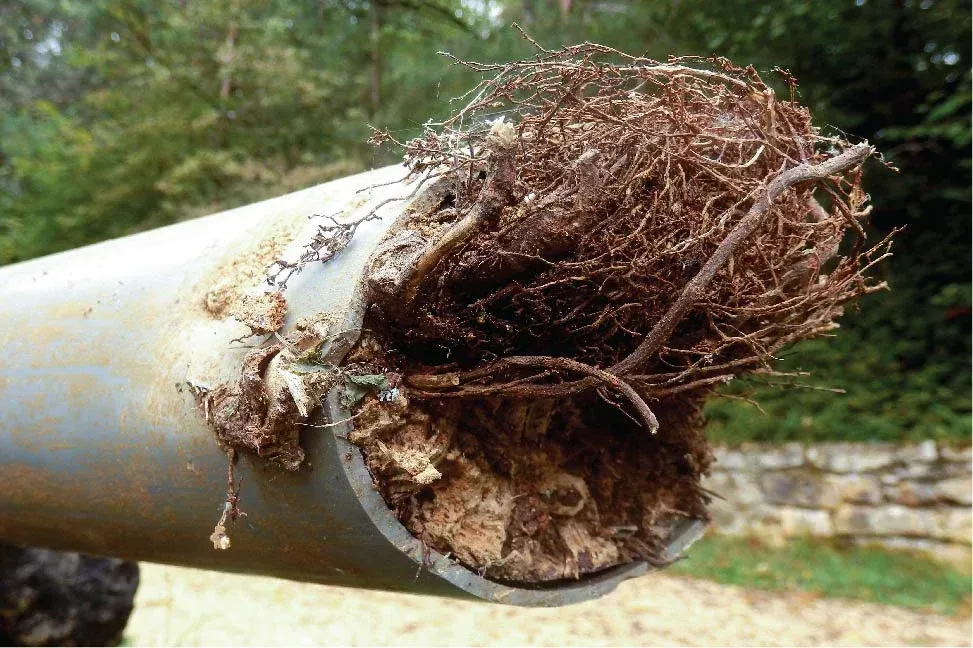
Tree roots are naturally attracted to moisture. Even small cracks in sewer pipes allow roots to enter and expand over time, eventually causing major blockages or pipe collapse.
Cambridge neighborhoods with mature trees are particularly vulnerable to root intrusion. Once roots enter the pipe, they continue to grow, trapping debris and restricting flow.
Without professional removal, root damage worsens year after year.
5. Grease and Debris Buildup Inside Sewer Lines
Grease is one of the most common causes of sewer blockages. When grease is poured down drains, it cools and hardens inside the pipe, gradually narrowing the passage.
Common contributors include:
- Cooking oils and fats
- Food scraps
- Wet wipes labeled “flushable”
- Paper towels and hygiene products
The Region of Waterloo strongly advises
against flushing wipes or grease due to sewer damage risks:
6. Structural Sewer Pipe Damage
Older sewer lines made from clay or cast iron deteriorate over time. Cracks, corrosion, and collapsed sections restrict flow and allow soil intrusion.
Structural damage can be caused by:
- Soil movement
- Heavy vehicle traffic above pipes
- Ground freezing and thawing
- Natural aging
Once structural damage occurs, simple drain cleaning is no longer effective.
7. Sewer Backups and Basement Flooding Risks
A blocked or collapsed sewer line dramatically increases the risk of sewage backing up into the basement. This can damage flooring, drywall, furniture, and personal belongings—and poses serious health risks.
The City of Cambridge encourages homeowners to consider
backwater valves to prevent sewage backups:
Early sewer inspections help determine whether backup prevention devices are necessary.
8. How Sewer Camera Inspections Work
Modern plumbers use sewer camera inspections to diagnose sewer issues accurately. A small waterproof camera is inserted into the sewer line, providing real-time footage of the pipe’s condition.
Camera inspections can identify:
- Root intrusion
- Cracks and corrosion
- Pipe collapse
- Grease buildup
- Improper slope or alignment
This eliminates guesswork and ensures the correct repair solution.
9. Sewer Repair Options: From Cleaning to Replacement
Sewer Line Cleaning
Best for grease buildup or early root intrusion. High-pressure water jetting removes debris without damaging pipes.
Spot Repairs
Used when damage is isolated to a specific section of pipe.
Trenchless Sewer Repair
Minimally invasive option that repairs pipes without extensive digging.
Full Sewer Line Replacement
Required when pipes are severely deteriorated or collapsed.
A professional inspection determines the most cost-effective solution.
10. Preventing Sewer Line Problems
Homeowners can reduce sewer risks by:
- Avoiding grease disposal down drains
- Not flushing wipes or hygiene products
- Scheduling preventative sewer inspections
- Managing tree root growth near sewer lines
- Installing backwater valves if recommended
Preventative maintenance costs far less than emergency sewer repairs.
Final Thoughts
Sewer line problems rarely fix themselves. Ignoring early warning signs often leads to sewage backups, extensive property damage, and expensive emergency repairs.
Cambridge homeowners should treat sewer symptoms seriously—especially in older homes or properties with mature trees. Regular inspections and proactive maintenance help identify issues early, protect your home, and avoid major disruptions.
If you notice multiple drain backups, sewer odors, or unexplained gurgling sounds, a professional sewer inspection can provide clarity before a minor issue becomes a major disaster.