
Water Softener Problems Homeowners Ignore (Until It’s Too Late)
Hard water damage doesn’t happen overnight—but it adds up fast in Cambridge homes.
Introduction
Hard water is a fact of life for many homeowners in Cambridge, Ontario. While it may not seem like an urgent problem, untreated hard water quietly damages plumbing systems, appliances, and fixtures every single day. That’s why water softeners are so common in local homes—but unfortunately, many homeowners don’t realize when their system stops working properly.
A failing water softener doesn’t always shut down completely. Instead, it slowly loses efficiency, allowing minerals like calcium and magnesium to pass through your plumbing system. Over time, this leads to scale buildup, higher utility bills, appliance failure, and costly plumbing repairs.
In this article, we’ll explain how water softeners work, the most common problems homeowners ignore, warning signs your system isn’t doing its job, and how to protect your plumbing from hard water damage.
1. Why Hard Water Is a Problem in Cambridge
Cambridge draws its water from both groundwater and surface water sources. These sources naturally contain high mineral levels, particularly calcium and magnesium, which cause water hardness.
According to the Region of Waterloo, local
water hardness levels are considered moderate to high depending on location:
Hard water is not harmful to drink, but it is extremely hard on plumbing systems. As water flows through pipes and appliances, minerals are left behind, forming scale that restricts flow and damages components.
2. How a Water Softener Works
A water softener removes hardness minerals using a process called ion exchange. As hard water passes through the resin tank, calcium and magnesium ions are replaced with sodium or potassium ions. Periodically, the system regenerates by flushing out the collected minerals using salt.
When everything works correctly, softened water:
- Prevents scale buildup
- Improves appliance efficiency
- Extends plumbing lifespan
- Reduces soap and detergent use
- Improves water flow
When the system malfunctions, hard water damage resumes—often unnoticed.
3. Common Water Softener Problems Homeowners Ignore
Running Out of Salt
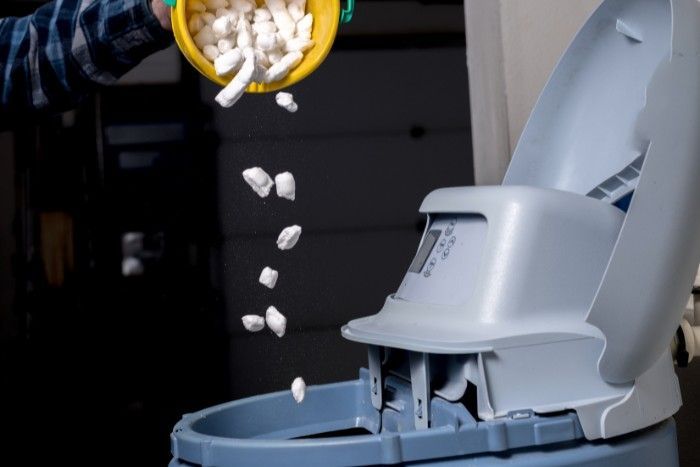
The most common issue is also the simplest. Without salt, the softener cannot regenerate properly. Many homeowners don’t realize the salt level is low until scale buildup becomes visible.
Salt Bridging
Salt bridging occurs when a hard crust forms in the brine tank, creating an empty space underneath. The system appears full but cannot regenerate.
Resin Bead Failure
Over time, resin beads wear out or become coated with iron or sediment. When this happens, the system stops removing hardness effectively.
Mechanical or Control Valve Issues
Timers, sensors, and control valves can fail or lose calibration, causing improper regeneration cycles.
Improper Sizing
An undersized softener regenerates too frequently and struggles to keep up with household demand, reducing efficiency and lifespan.
4. Warning Signs Your Water Softener Isn’t Working
Water softener problems often show up indirectly. Watch for these signs:
- White scale buildup on faucets and showerheads
- Spots on dishes and glassware
- Dry skin or hair after showering
- Reduced water pressure
- Soap not lathering properly
- Frequent appliance breakdowns
- Hard water stains on sinks and tubs
If these issues return after previously having soft water, your system likely needs service.
5. The Hidden Cost of Ignoring Softener Issues
Hard water damage compounds over time. Ignoring water softener problems can lead to:
- Clogged plumbing lines from scale buildup
- Reduced water heater efficiency
- Premature failure of dishwashers and washing machines
- Higher energy bills
- Expensive plumbing repairs
Natural Resources Canada confirms that
scale buildup reduces appliance efficiency and increases energy consumption:
Replacing a water heater or repiping a home costs far more than maintaining a water softener.
6. Water Softeners and Water Heaters: A Critical Relationship
Hard water is especially damaging to water heaters. Mineral deposits collect at the bottom of the tank, reducing heat transfer and forcing the unit to work harder.
Consequences include:
- Reduced hot water supply
- Noisy operation
- Increased energy usage
- Shortened lifespan
A properly functioning water softener significantly extends water heater life—especially in Cambridge homes with hard groundwater.
7. How Often Should a Water Softener Be Serviced or Replaced?
Most water softeners last 10–15 years with proper maintenance.
Recommended service intervals:
- Salt check: monthly
- System inspection: annually
- Resin replacement: every 10–12 years
- Full replacement: when repairs exceed value
Older systems may use more salt and water than modern high-efficiency units.
8. Choosing the Right Water Softener for Your Home
Not all water softeners are the same. Proper sizing is essential.
Factors include:
- Household size
- Daily water usage
- Local hardness levels
- Appliance demand
A professional plumber can test your water hardness and recommend a system that matches your home’s needs.
9. DIY Maintenance vs Professional Service
Homeowners can perform basic maintenance such as:
- Checking salt levels
- Cleaning the brine tank
- Breaking salt bridges
However, professional service is needed for:
- Resin replacement
- Control valve repairs
- Flow issues
- System reprogramming
Incorrect adjustments can reduce efficiency or cause system damage.
10. When to Call a Professional Plumber
You should contact a licensed plumber if:
- Hard water signs return suddenly
- Your system uses excessive salt
- Water pressure drops
- Appliances fail prematurely
- The softener is over 10 years old
Professional inspections catch problems before they turn into expensive plumbing repairs.
Final Thoughts
Water softeners protect your plumbing system, appliances, and home investment—but only if they’re working properly. Many homeowners don’t realize their system has failed until hard water damage becomes obvious and costly.
Regular maintenance, timely repairs, and proper system sizing make all the difference. Addressing softener issues early helps prevent scale buildup, extend appliance lifespan, and keep your plumbing system running efficiently.
If your water feels hard again or your system hasn’t been inspected in years, proactive service now can save thousands later.