
Sump Pump Failures: Why They Happen and How to Protect Your Basement
Basement flooding in Cambridge isn’t random—most sump pump failures are preventable.
Introduction
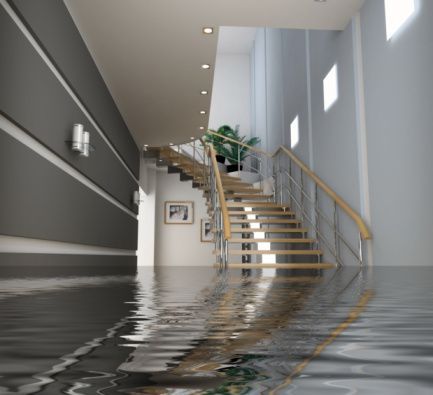
Basement flooding is one of the most stressful and expensive problems a homeowner can face. In Cambridge, Ontario, it’s especially common due to heavy rainfall, spring snowmelt, and fluctuating groundwater levels. When water has nowhere to go, your sump pump becomes the last line of defense between a dry basement and thousands of dollars in damage.
Unfortunately, many homeowners only think about their sump pump after it fails—and by then, it’s often too late. Sump pump failures don’t usually happen without warning. They’re caused by predictable issues like power outages, poor maintenance, aging equipment, or improper installation.
In this guide, we’ll explain why sump pumps fail, the warning signs to watch for, how to reduce your flood risk, and what Cambridge homeowners can do to protect their basements year-round.
1. Why Sump Pumps Are Critical in Cambridge Homes
Cambridge sits in an area with a high water table and experiences frequent heavy rainfall events. According to the City of Cambridge, basement flooding is a known risk, especially in older neighbourhoods with aging drainage infrastructure.
Local factors that increase sump pump reliance include:
- Heavy spring snowmelt
- Intense summer rainstorms
- Older storm sewer systems
- Clay soil that drains poorly
- Finished basements below grade
The City of Cambridge provides
guidance on basement flooding prevention, including sump pump usage and stormwater management.
A properly functioning sump pump redirects groundwater away from your foundation, reducing pressure on basement walls and preventing water intrusion.
2. The Most Common Causes of Sump Pump Failure
Power Outages
Sump pumps rely on electricity. Unfortunately, the same storms that cause flooding often knock out power. When the pump shuts off, water rises quickly.
Without a battery backup or secondary pump, your system is completely vulnerable during outages.
Mechanical Failure and Wear
Most sump pumps last 7–10 years. Internal components like floats, switches, and impellers wear down over time. A pump that sounds louder than usual or cycles irregularly may be nearing failure.
Lack of Maintenance
Many sump pumps sit untouched for years. Debris, sediment, and mineral buildup can clog the intake or jam the float switch.
Annual testing and cleaning are critical, especially before spring.
Improper Installation
Improper discharge piping, undersized pumps, or poor pit construction can cause short cycling, burnout, or ineffective water removal.
Frozen or Blocked Discharge Lines
In winter, discharge pipes can freeze or become blocked by ice, snow, or debris. When water can’t exit the system, it backs up into the pit and overflows.
3. Warning Signs Your Sump Pump May Be Failing
Sump pump failures are rarely sudden. Watch for these red flags:
- Pump runs constantly or not at all
- Unusual grinding or rattling noises
- Visible rust or corrosion
- Water pooling near the sump pit
- Musty odors in the basement
- Pump turns on but doesn’t remove water
- Frequent tripping of circuit breakers
Ignoring these signs dramatically increases your flood risk.
4. The Cost of a Failed Sump Pump
A failed sump pump can release hundreds of litres of water into your basement in minutes.
Potential costs include:
- Damaged drywall, flooring, and insulation
- Mold growth within 24–48 hours
- Ruined furniture and personal belongings
- Electrical hazards
- Insurance deductibles or denied claims
The Insurance Bureau of Canada consistently ranks
water damage as one of the most expensive home insurance claims.
Preventative maintenance is far cheaper than flood restoration.
5. Battery Backup Sump Pumps: Why They Matter
Battery backup sump pumps activate automatically when the primary pump fails or power is lost. In Cambridge, where storm-related outages are common, backups are essential.
Benefits include:
- Continued operation during power outages
- Redundancy if the main pump fails
- Reduced flood risk during extreme weather
The City of Cambridge also encourages flood prevention measures such as sump pump backups and proper discharge.
6. Proper Sump Pump Discharge Matters
Where your sump pump sends water is just as important as how it removes it.
Improper discharge can:
- Cause water to flow back toward the foundation
- Freeze in winter and block flow
- Contribute to neighbour disputes or bylaw issues
Cambridge bylaws require sump pump discharge to be directed away from foundations and not connected to sanitary sewers.
A professional plumber ensures your discharge meets local requirements and functions year-round.
7. How Often Should a Sump Pump Be Replaced?
Even well-maintained sump pumps don’t last forever.
General guidelines:
- Pedestal pumps: 10–15 years
- Submersible pumps: 7–10 years
- Backup pumps: replace batteries every 3–5 years
If your pump is approaching the end of its lifespan, replacement before failure is the safest option.
8. Preventative Maintenance Checklist for Homeowners
Simple steps can dramatically reduce failure risk:
- Test the pump every 3–4 months
- Pour water into the pit to trigger activation
- Clean debris from the pit annually
- Check the float switch for free movement
- Inspect discharge lines for obstructions
- Ensure the pump is plugged into a dedicated outlet
Before heavy rain seasons, a professional inspection adds an extra layer of protection.
9. When to Call a Professional Plumber
DIY testing is helpful, but professional service is essential when:
- The pump runs continuously
- Water enters despite pump operation
- The system lacks a backup pump
- Discharge lines freeze repeatedly
- You’re finishing or renovating a basement
Licensed plumbers can evaluate capacity, installation quality, and overall flood risk specific to your home.
Final Thoughts
Sump pump failures are one of the leading causes of basement flooding in Cambridge, but they are also among the most preventable plumbing disasters.
With proper maintenance, correct installation, and backup protection, homeowners can dramatically reduce flood risk—even during severe storms and power outages.
If your sump pump hasn’t been inspected recently, or if you’re unsure whether your system is adequate for your home, proactive action now can save thousands later.