Types of Backup Sump Pumps
The Two Main Options
There are two primary backup systems homeowners choose from:
- 1. Battery Backup Sump Pumps
- 2. Water-Powered Backup Pumps (SumpJet systems)
Each works very differently—and choosing the right one depends on your home, water supply, and risk tolerance.
Battery Backup Sump Pumps
How They Work
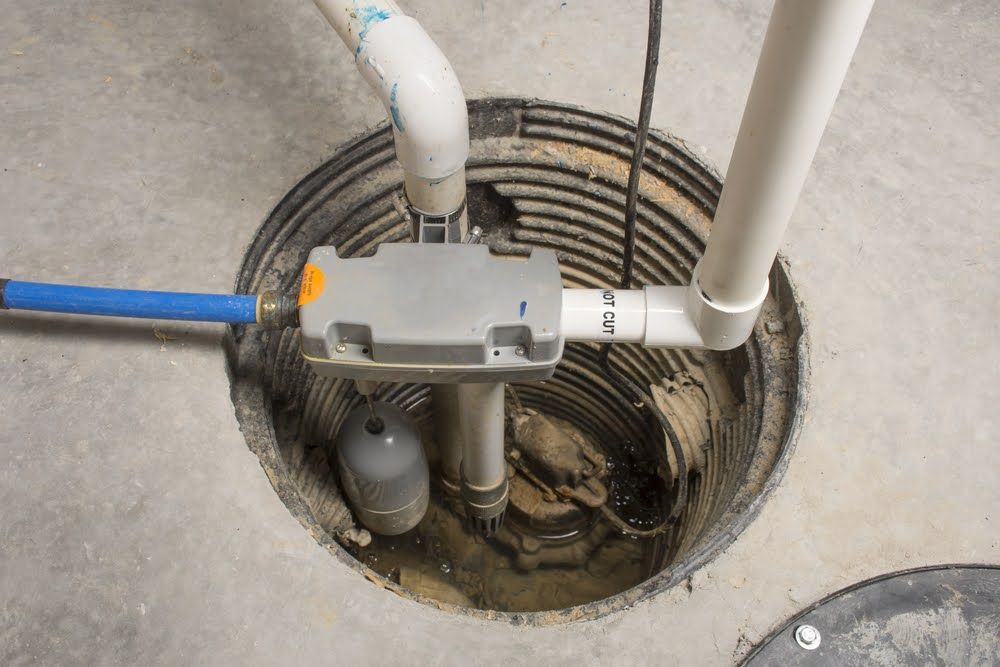
A battery backup system includes:
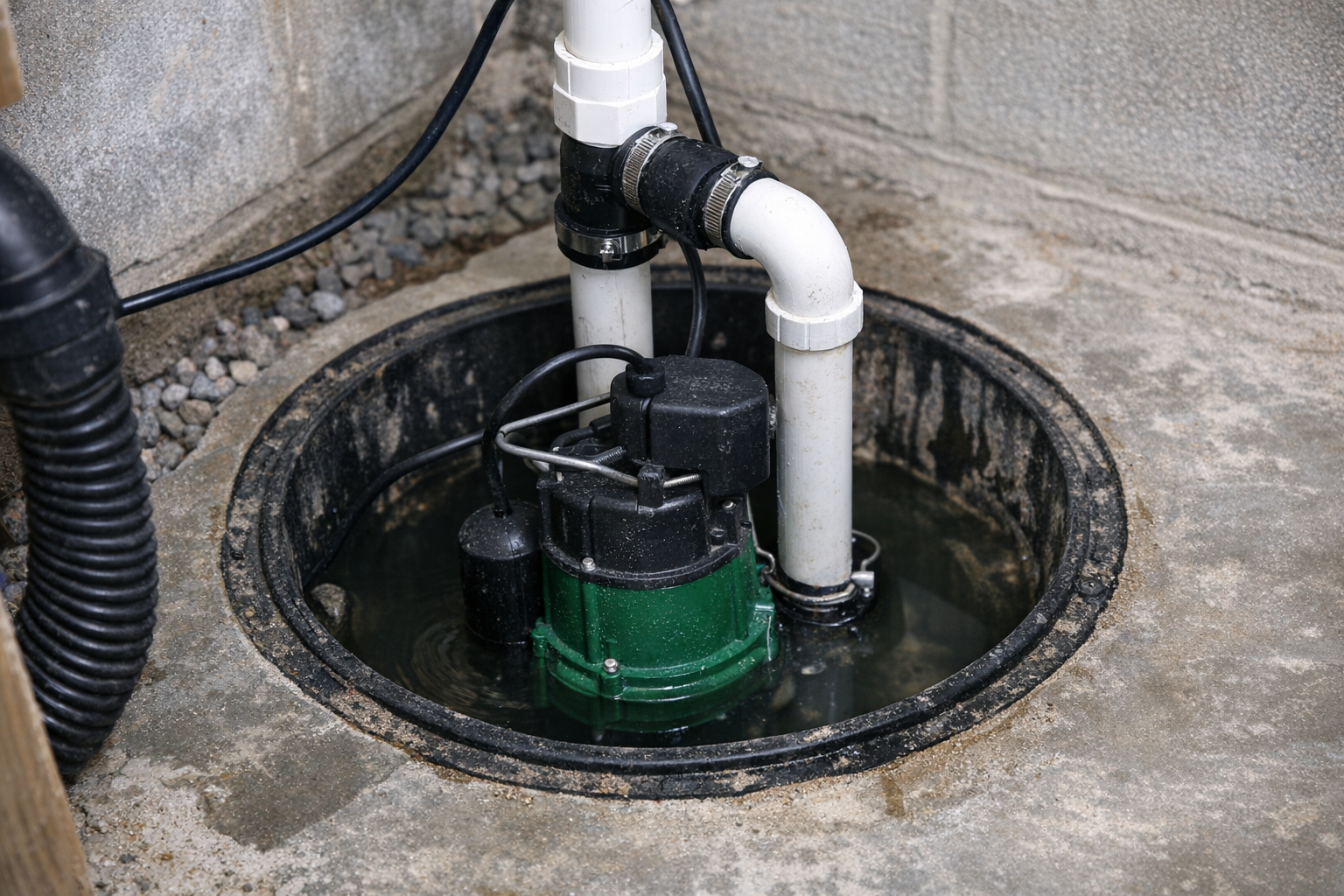
- A secondary pump installed in the sump pit
- A control system
- A rechargeable battery
When power is lost or the primary pump fails, the battery powers the backup pump, allowing it to continue removing water from the pit.
Advantages of Battery Backup Systems
- 1. Works During Power Outages
Completely independent of your home’s electrical system.
- 2. High Pumping Capacity
Can move large volumes of water quickly.
- 3. Compatible with Most Homes
Does not rely on municipal water supply.
- 4. Reliable for Short-Term Emergencies
Ideal for typical outage durations.
Limitations of Battery Backup Systems
- 1. Limited Runtime
Batteries only last so long—typically hours, not days.
- 2. Requires Maintenance
Batteries must be tested and replaced regularly.
- 3. Performance Drops as Battery Weakens
Output decreases as charge declines.
- 4. Higher Long-Term Cost
Battery replacements add ongoing expense.
Water-Powered Backup Pumps (SumpJet)
How They Work
Water-powered systems like the SumpJet operate without electricity or batteries.
Instead, they use
municipal water pressure to create a vacuum effect that pulls water from the sump pit and ejects it outside.
This means they can run continuously—as long as your home has water supply.
Advantages of Water-Powered Systems
- 1. Unlimited Runtime
No battery limitations—runs as long as water is available.
- 2. No Electricity Required
Works even during extended power outages.
- 3. Low Maintenance
No batteries to replace or monitor.
- 4. Extremely Reliable in Long Emergencies
Ideal for prolonged storms or outages.
Limitations of Water-Powered Systems
- 1. Requires Municipal Water Supply
Not suitable for homes on well systems.
- 2. Lower Pumping Efficiency
Uses more water to remove sump water (not 1:1 efficiency).
- 3. Increased Water Usage
Can raise utility costs during operation.
- 4. Installation Requirements
Must be properly tied into your plumbing system.
Key Differences: Battery vs SumpJet
Side-by-Side Comparison
1. Power Source
- Battery: Stored electrical power
- SumpJet: Municipal water pressure
2. Runtime
- Battery: Limited (hours)
- SumpJet: Unlimited (as long as water flows)
3. Maintenance
- Battery: Requires regular battery replacement
- SumpJet: Minimal maintenance
4. Performance
- Battery: Higher pumping capacity
- SumpJet: Lower capacity but continuous operation
5. Compatibility
- Battery: Works in all homes
- SumpJet: Only works with city water
Which Backup System Is Better?
The Real Answer: It Depends
There is no one-size-fits-all answer. The best system depends on your home and risk level.
Battery backup is best if:
- You want strong pumping power
- Outages are typically short
- You don’t want increased water usage
Water-powered (SumpJet) is best if:
- You have reliable municipal water
- You want unlimited runtime
- You’re concerned about long outages
The Best Setup: Using Both Systems
Maximum Protection Strategy
Many homeowners choose to install
both systems together.
This provides:
- Immediate high-capacity pumping (battery)
- Long-term protection (water-powered)
If one system fails or reaches its limit, the other continues working.
This layered approach is often recommended under professional
sump pump installation services.
Common Mistakes Homeowners Make
What to Avoid
- 1. Having No Backup System at All
- 2. Never Testing the Backup Pump
- 3. Letting Batteries Degrade Over Time
- 4. Installing the Wrong System for the Home
- 5. Ignoring Warning Signs of Failure
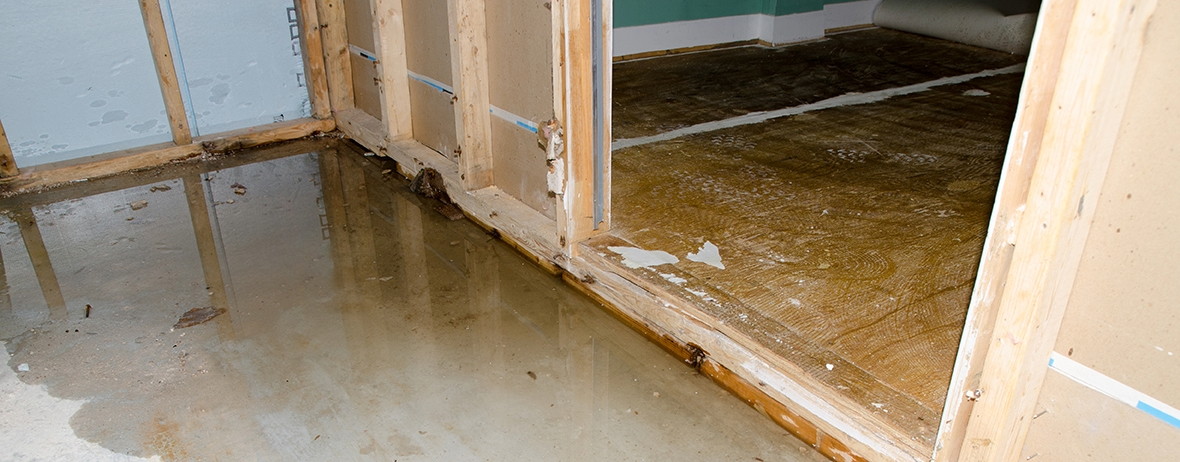
These mistakes often lead to preventable basement flooding.
Maintenance Tips for Backup Systems
Keep It Ready When You Need It
- Test battery systems every few months
- Replace batteries every 3–5 years
- Inspect discharge lines regularly
- Ensure float switches move freely
- Test water-powered systems annually
Routine checks fall under general
plumbing services and help prevent unexpected failure.
Why This Matters in Cambridge & Waterloo Region
Local Conditions Increase Risk
Homes in this region face:
- Heavy rainstorms
- Spring thaw flooding
- Power outages during severe weather
- Older infrastructure in many neighborhoods
These factors make backup sump systems not just a luxury—but a necessity.
Final Thoughts
A sump pump without a backup is a single point of failure.
Battery systems provide power when electricity fails. Water-powered systems provide endurance when outages last longer than expected.
The best protection comes from understanding both—and choosing the right setup for your home.