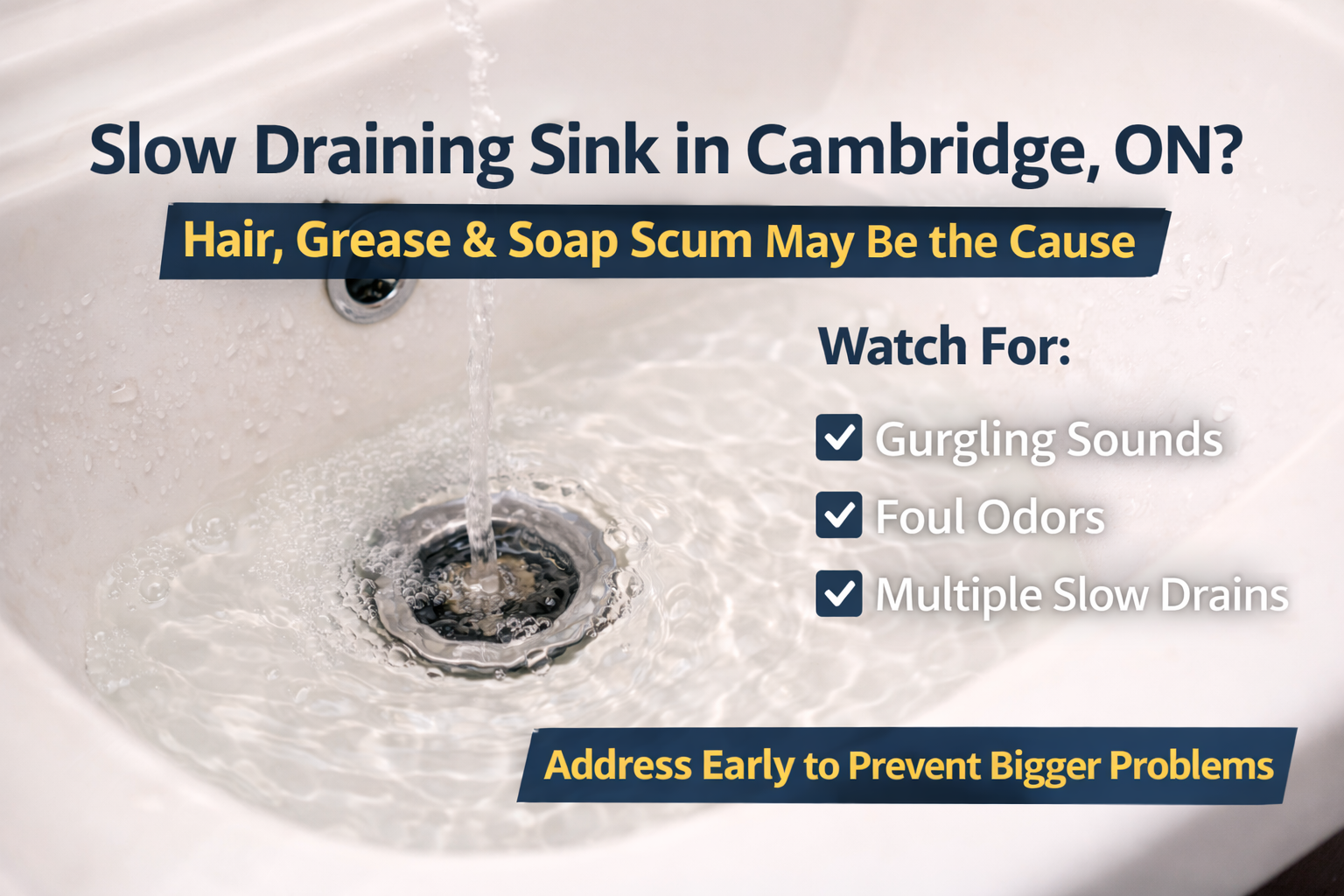
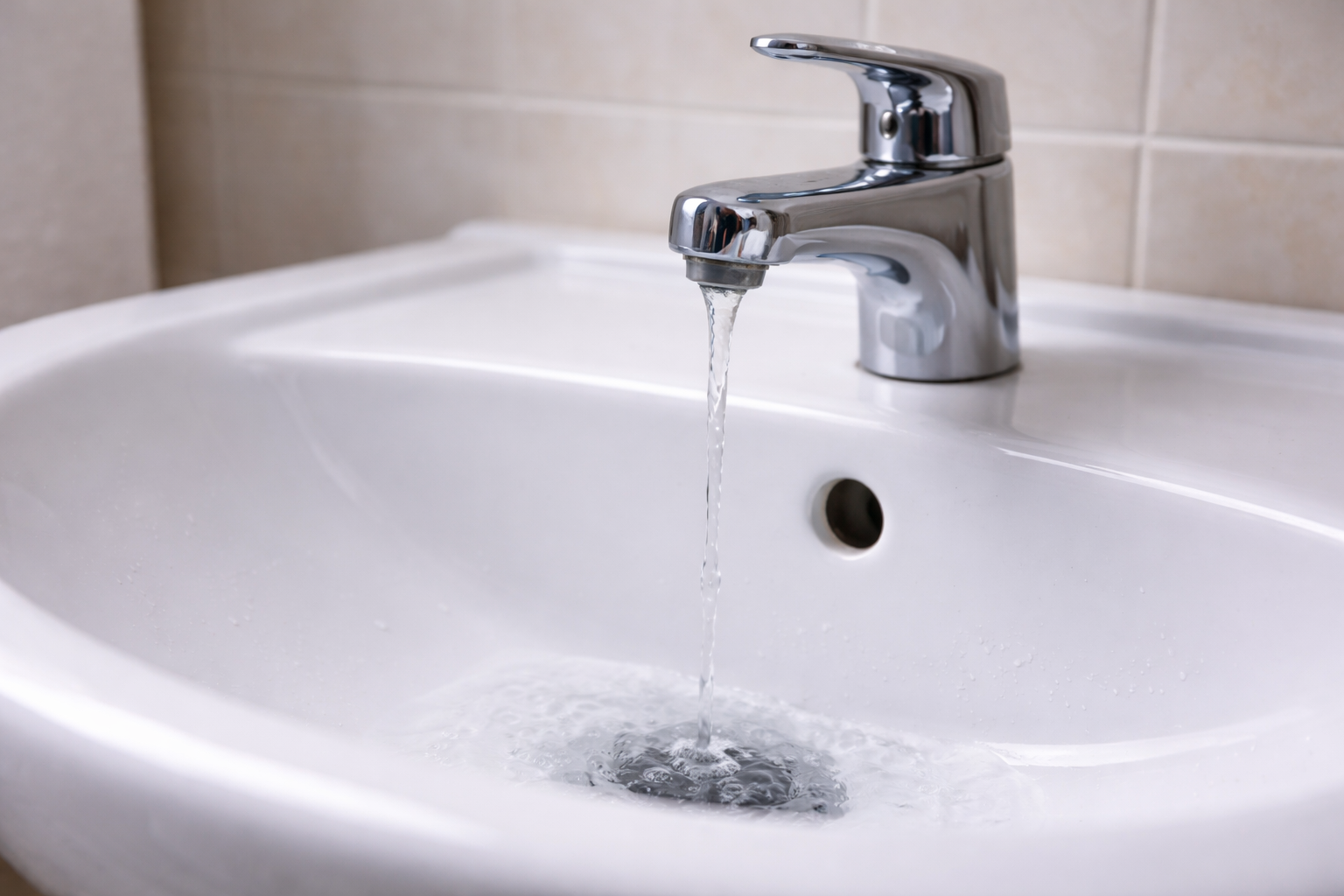
A slow draining sink might seem like a minor annoyance.
Water pools. It drains eventually. You move on.
But in many Cambridge, ON homes, a slow drain is an early warning sign of a developing plumbing issue.
Ignoring it can lead to:
- Complete drain blockages
- Backups
- Pipe damage
- Costly repairs
If your bathroom or kitchen sink is draining slowly, here’s what it usually means — and what to do next.
What Causes a Slow Draining Sink?
Most slow drains are caused by buildup inside the pipe.
Over time, materials stick to the inner walls of your drain and restrict water flow.
Bathroom Sink Clogs
Bathroom sinks commonly clog due to:
1. Hair
Hair combines with soap residue and forms dense clogs.
2. Toothpaste and Soap Scum
These substances harden and narrow the pipe diameter.
3. Shaving Debris
Facial hair and shaving cream add to buildup over time.
Kitchen Sink Clogs
Kitchen drains face different problems.
1. Grease and Cooking Oils
Grease hardens inside pipes, especially during colder months in Cambridge, ON.
2. Food Particles
Even with a garbage disposal, food debris can accumulate.
3. Coffee Grounds
Coffee grounds do not dissolve. They collect and compact in drains.
Why Slow Drains Get Worse Over Time
A slow drain rarely fixes itself.
As buildup increases:
- Water drains more slowly
- Pressure inside the pipe rises
- More debris sticks
- Eventually, the pipe can fully block
Early intervention is always easier and less expensive.
Warning Signs It’s More Than Just a Minor Clog
Sometimes a slow draining sink indicates a larger issue.
Watch for:
- Gurgling sounds
- Bad smells from the drain
- Water backing up in another fixture
- Multiple slow drains in the house
If more than one drain is slow, the issue may be deeper in the main drain or sewer line.
Could It Be a Sewer Line Problem?
If you notice:
- Slow drains throughout the home
- Water backing up into tubs or showers
- Persistent foul odors
- Gurgling toilets
The issue may not be the sink at all.
Older homes in Cambridge, ON may have aging sewer lines susceptible to:
- Tree root intrusion
- Pipe deterioration
- Collapsed sections
- Heavy buildup
In these cases, professional inspection is necessary.
Why Chemical Drain Cleaners Are a Bad Idea
It’s tempting to pour a chemical cleaner down the drain.
But these products:
- Rarely remove full blockages
- Can damage pipes
- Create heat that weakens plumbing joints
- Are harmful to the environment
They may temporarily improve flow, but the underlying problem remains.
DIY Fixes That Actually Help
If the drain is only slightly slow, you can try:
1. Remove and Clean the Drain Stopper
Hair and debris often collect right under the stopper.
2. Flush with Hot Water
Hot water can help loosen grease in kitchen drains.
3. Clean the P-Trap
Place a bucket underneath and remove the trap to clear debris.
If the problem returns quickly, the clog is likely deeper.
Professional Drain Cleaning in Cambridge, ON
When buildup extends beyond the P-trap, professional tools are required.
Mechanical drain snakes and augers remove blockages safely without damaging pipes.
For heavier buildup, advanced cleaning methods may be used to restore full pipe diameter.
Proper drain cleaning:
- Improves flow
- Eliminates odor
- Prevents future backups
- Extends pipe lifespan
Preventing Slow Drains in Your Home
You can reduce the risk of slow drains by:
- Using sink strainers
- Avoiding grease disposal down kitchen drains
- Flushing with hot water periodically
- Cleaning bathroom stoppers monthly
- Scheduling routine plumbing maintenance
Prevention is significantly less expensive than emergency repair.
Final Thoughts on Slow Draining Sinks in Cambridge, ON
A slow draining sink is not just an inconvenience — it’s an early warning sign.
Addressing minor buildup now prevents major plumbing problems later.
If the issue is isolated, a simple cleaning may solve it.
If multiple drains are affected, deeper inspection may be necessary.
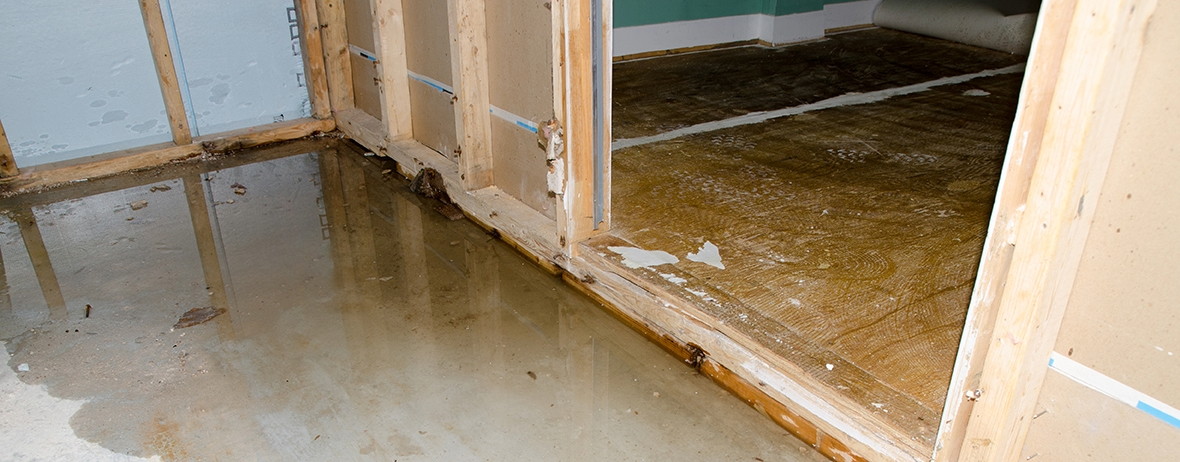
Ignoring slow drainage increases the risk of full blockages and water damage.