When a pipe bursts or a fitting fails, every second matters.
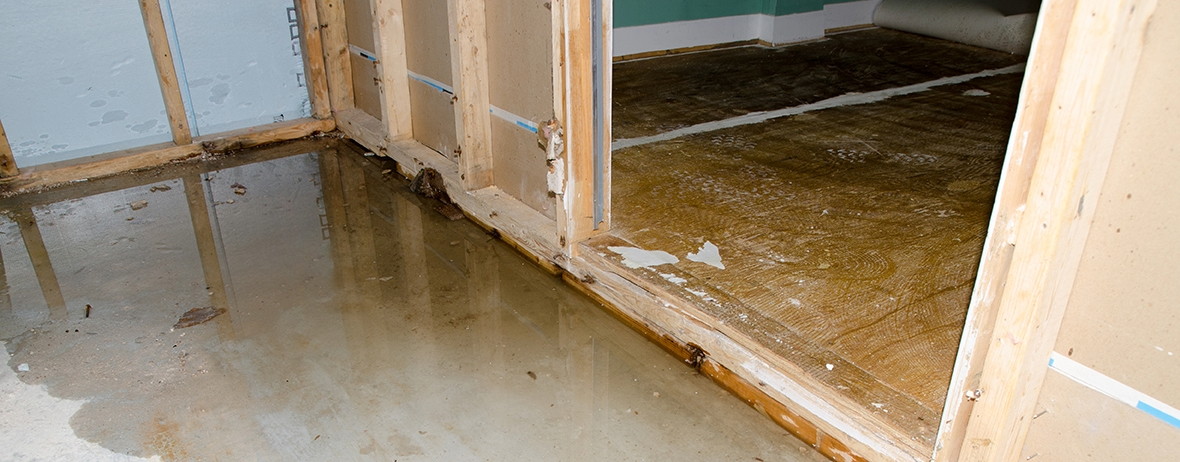
Water can flood a basement in minutes. Drywall, flooring, insulation, and furniture can all be damaged before you even find the source.
The difference between minor cleanup and major restoration often comes down to one thing:
Knowing where your main water shutoff valve is — and how to use it.
If you own a home in Cambridge, ON, this is not optional knowledge. It’s essential.
What Is the Main Water Shutoff Valve?
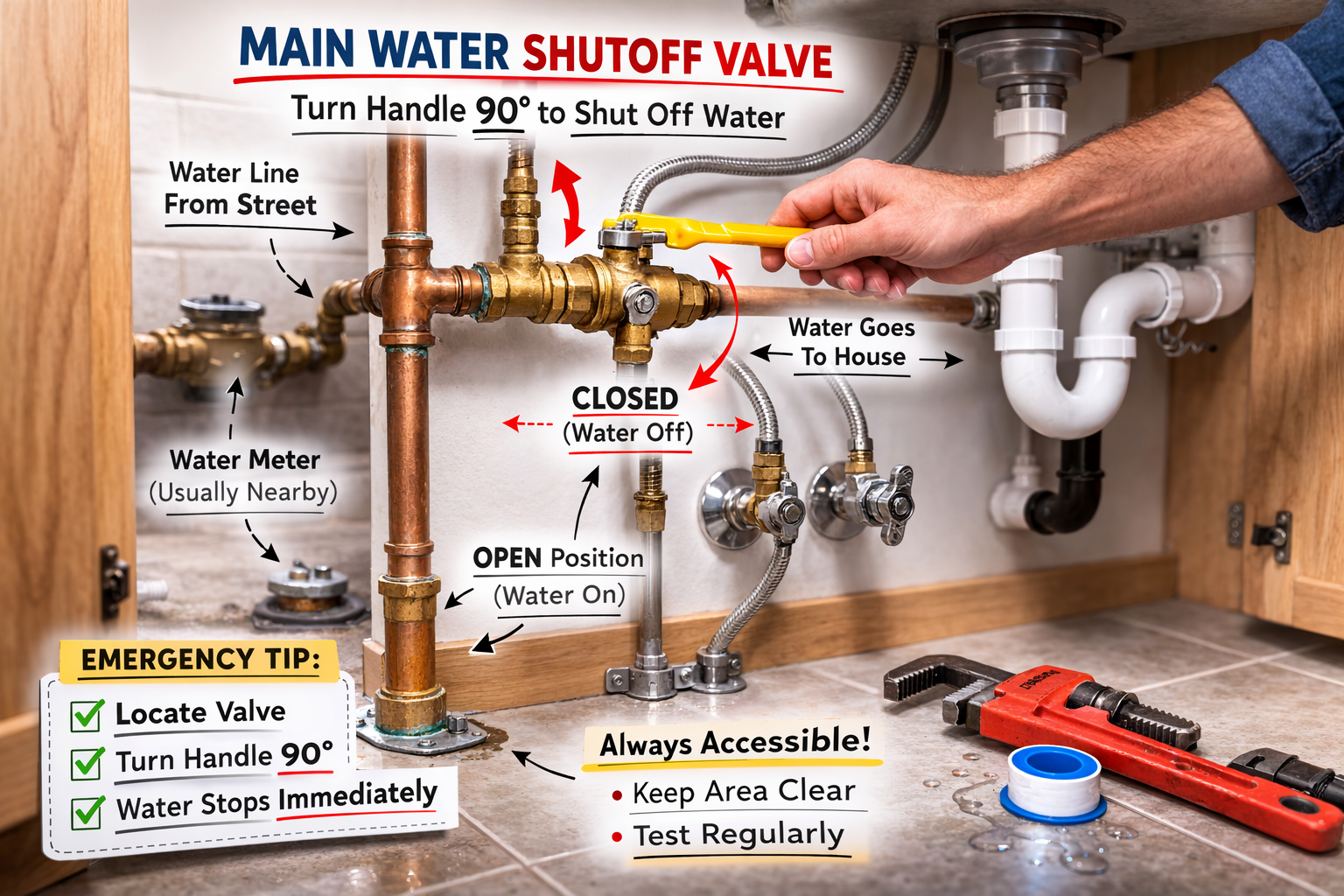
Your main water shutoff valve controls the flow of water entering your home from the municipal supply.
When you turn it off, all water to the house stops.
That means:
- No water to sinks
- No water to toilets
- No water to showers
- No water to appliances
- No ongoing leak
It is your first line of defense during a plumbing emergency.
Where Is the Main Shutoff Valve Located?
In most Cambridge, ON homes, the main shutoff valve is located:
- In the basement
- Near the front foundation wall
- Close to where the water line enters the house
- Near the water meter
In slab-on-grade homes, it may be located in a utility room or mechanical closet.
Older homes may have a gate valve (round wheel handle), while newer systems typically use a ball valve (lever handle).
Gate Valve vs. Ball Valve
Gate Valve (Round Handle)
Requires multiple turns to close. These are common in older homes but can sometimes seize or fail.
Ball Valve (Lever Handle)
Turns 90 degrees to shut off. More reliable and easier to operate in an emergency.
If your home still has an old gate valve, upgrading to a ball valve is often recommended.
Why Knowing Your Shutoff Valve Matters
Water damage spreads fast.
A burst pipe can release dozens of gallons per minute. In colder Ontario winters, frozen pipes are a real risk.
If you don’t know where your shutoff valve is, valuable time is lost.
Turning off the water immediately can:
- Prevent structural damage
- Reduce mold growth risk
- Protect flooring and drywall
- Lower restoration costs
- Limit insurance claims
In many cases, the ability to act quickly makes all the difference.
When Should You Turn Off the Main Water Valve?
You should shut off your main water valve if you notice:
- A burst pipe
- Major leak
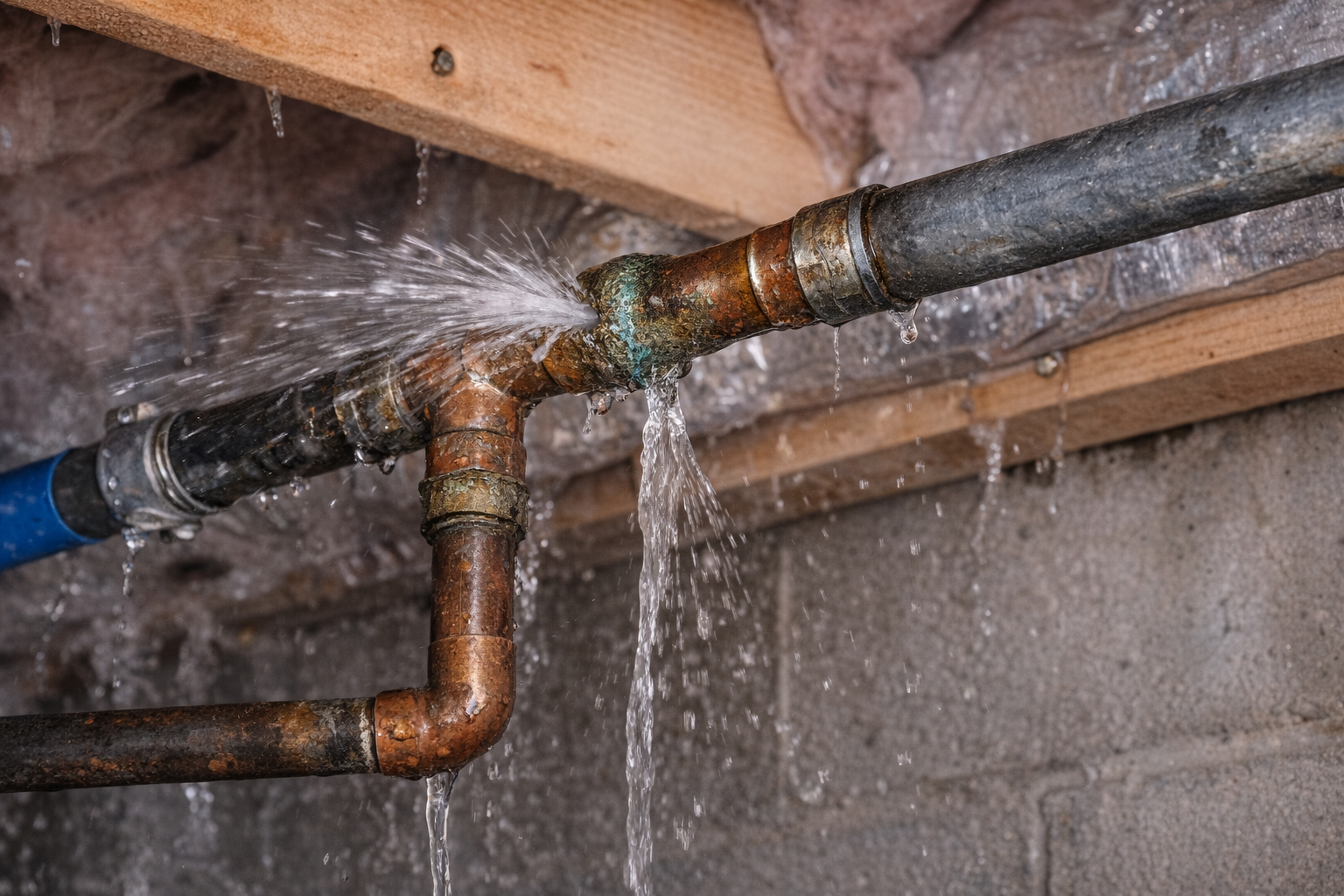
- Water spraying from a fitting
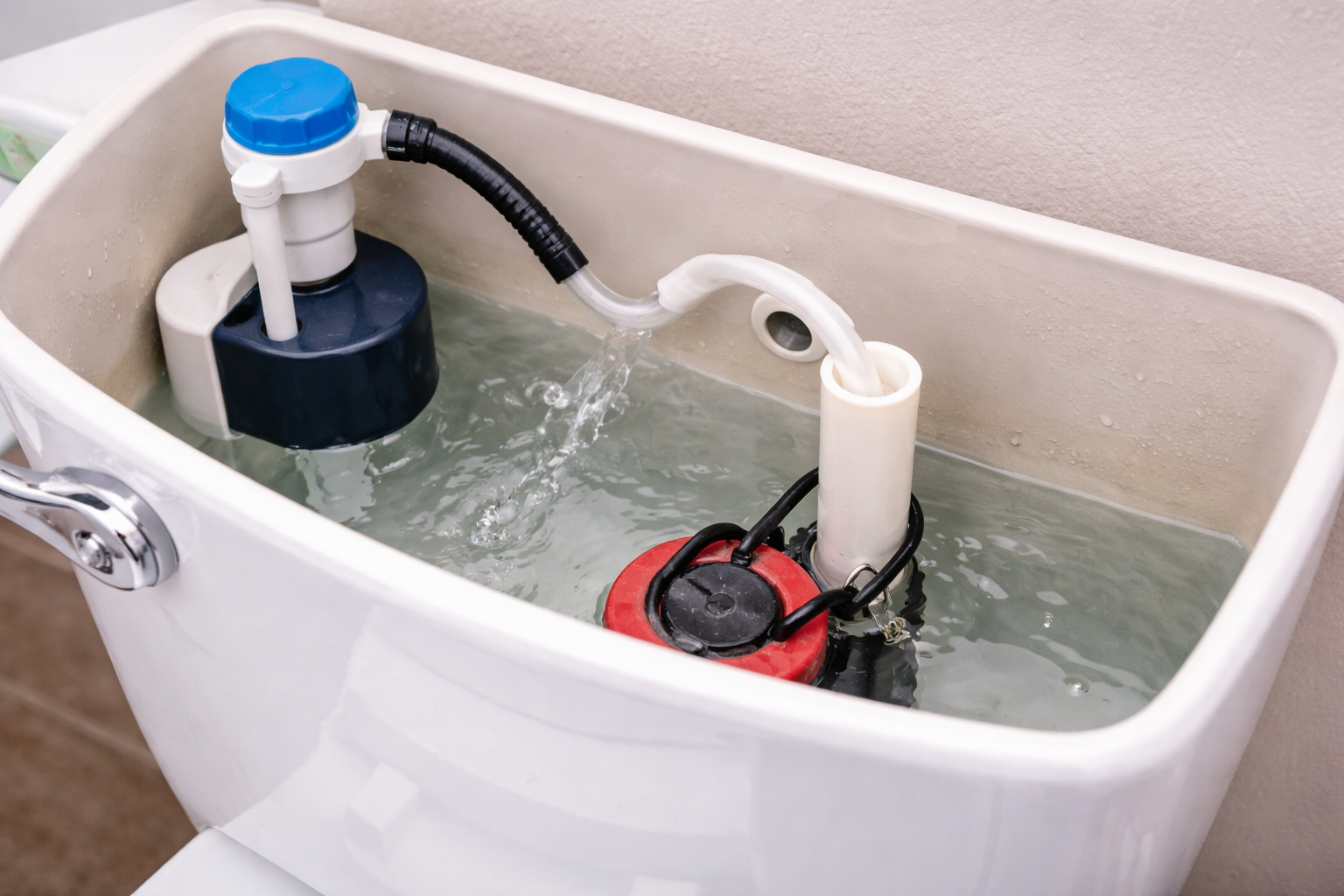
- Overflowing plumbing fixture
- Sudden unexplained flooding
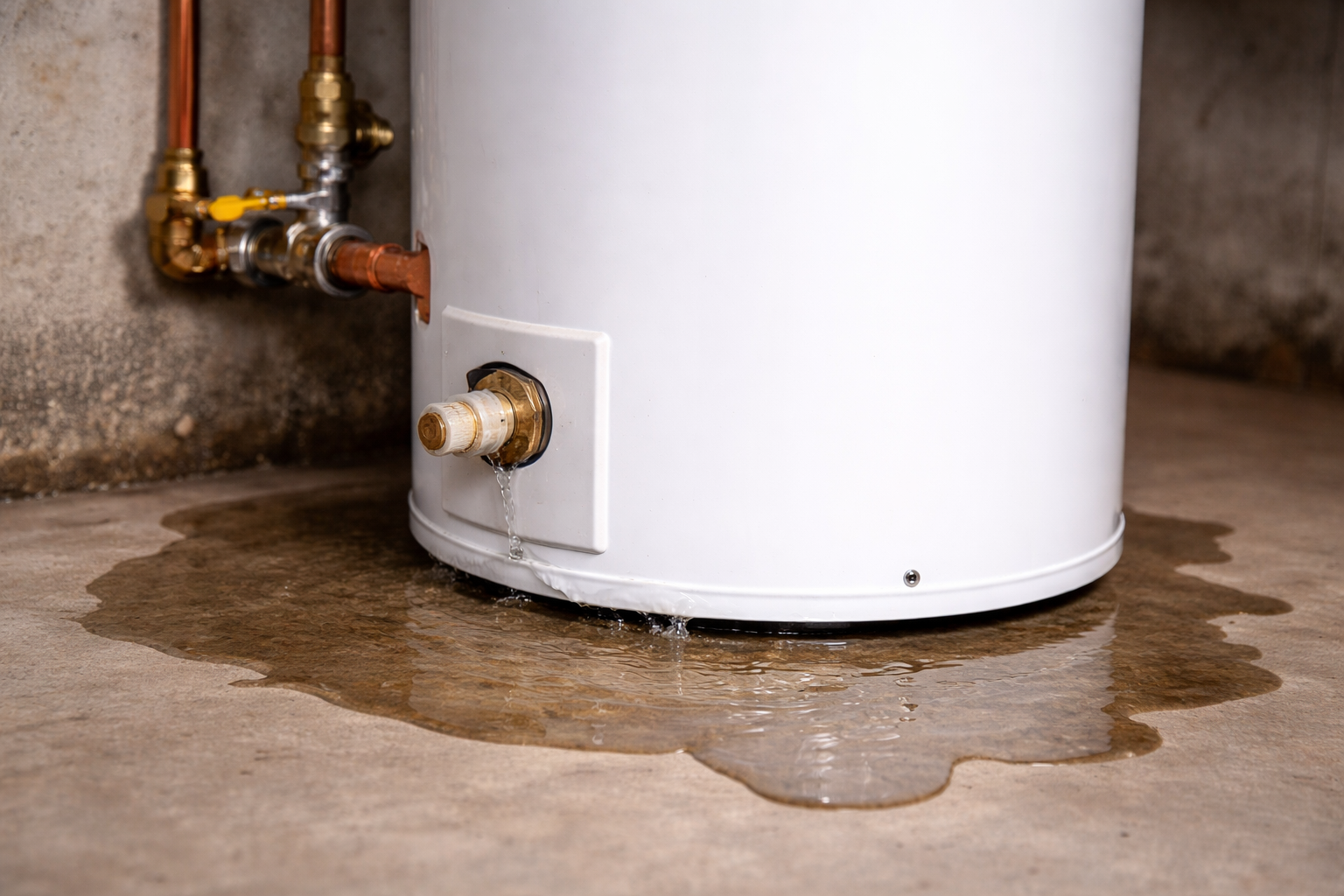
- Broken water heater tank
It’s also smart to shut it off if you’re leaving the home for an extended vacation.
How to Shut Off Your Main Water Valve
The process is simple — but only if you’re prepared.
For a Ball Valve
Turn the lever 90 degrees so it is perpendicular to the pipe.
That stops water flow completely.
For a Gate Valve
Turn the round handle clockwise until it stops.
Do not force it if it resists — older valves can break if over-tightened.
After shutting it off, open a faucet on the lowest level of your home to relieve remaining pressure.
What If the Valve Won’t Turn?
If your shutoff valve is stuck, corroded, or leaking, that’s a problem.
In an emergency, you may need to contact the municipality to shut off water at the street.
This is why periodic inspection and testing of your shutoff valve is important.
If your valve is old or unreliable, replacement is strongly recommended.
Individual Fixture Shutoff Valves
In addition to the main shutoff, most fixtures have local shutoff valves.
These are typically located:
- Under sinks
- Behind toilets
- Near washing machines
- Behind dishwashers
These allow you to isolate specific fixtures without shutting down the entire home.
However, in major leaks, the main shutoff is the fastest solution.
Winter Risks in Cambridge, ON
Cambridge winters bring freezing temperatures that increase the risk of burst pipes.
If a pipe freezes and splits, it may not leak immediately. When the ice thaws, water can pour out rapidly.
Knowing where your main shutoff valve is — before winter — is critical.
It’s wise to:
- Locate the valve
- Ensure it turns properly
- Keep the area accessible
- Make sure all household members know where it is
Preparation prevents panic.
Should You Upgrade Your Shutoff Valve?
If your home has:
- An old gate valve
- Corrosion around fittings
- A stiff or partially stuck valve
- Signs of leaking
Upgrading to a modern ball valve improves reliability and emergency readiness.
In plumbing, reliability during crisis matters more than convenience during normal use.
Final Thoughts on Emergency Shutoff Valves in Cambridge, ON
Every homeowner in Cambridge, ON should know exactly where their main water shutoff valve is located.
It takes less than five minutes to find it.
But in an emergency, that knowledge can save thousands of dollars in water damage.
Don’t wait for a burst pipe to figure it out.
Make it part of your home safety plan.