Why Sump Pumps Are Essential in Cambridge & Waterloo Region
Local Risk Factors Homeowners Face
This region presents several conditions that make sump pumps critical:
- Heavy rainfall during spring and summer
- Rapid snowmelt during seasonal transitions
- High groundwater levels in certain neighborhoods
- Older homes with less advanced drainage systems
Basement flooding is not rare—it’s something many homeowners will deal with at some point. A properly installed and maintained sump pump significantly reduces that risk.
Types of Sump Pumps
Choosing the Right System
Not all sump pumps are the same. The type you have—or choose to install—can impact reliability and performance.
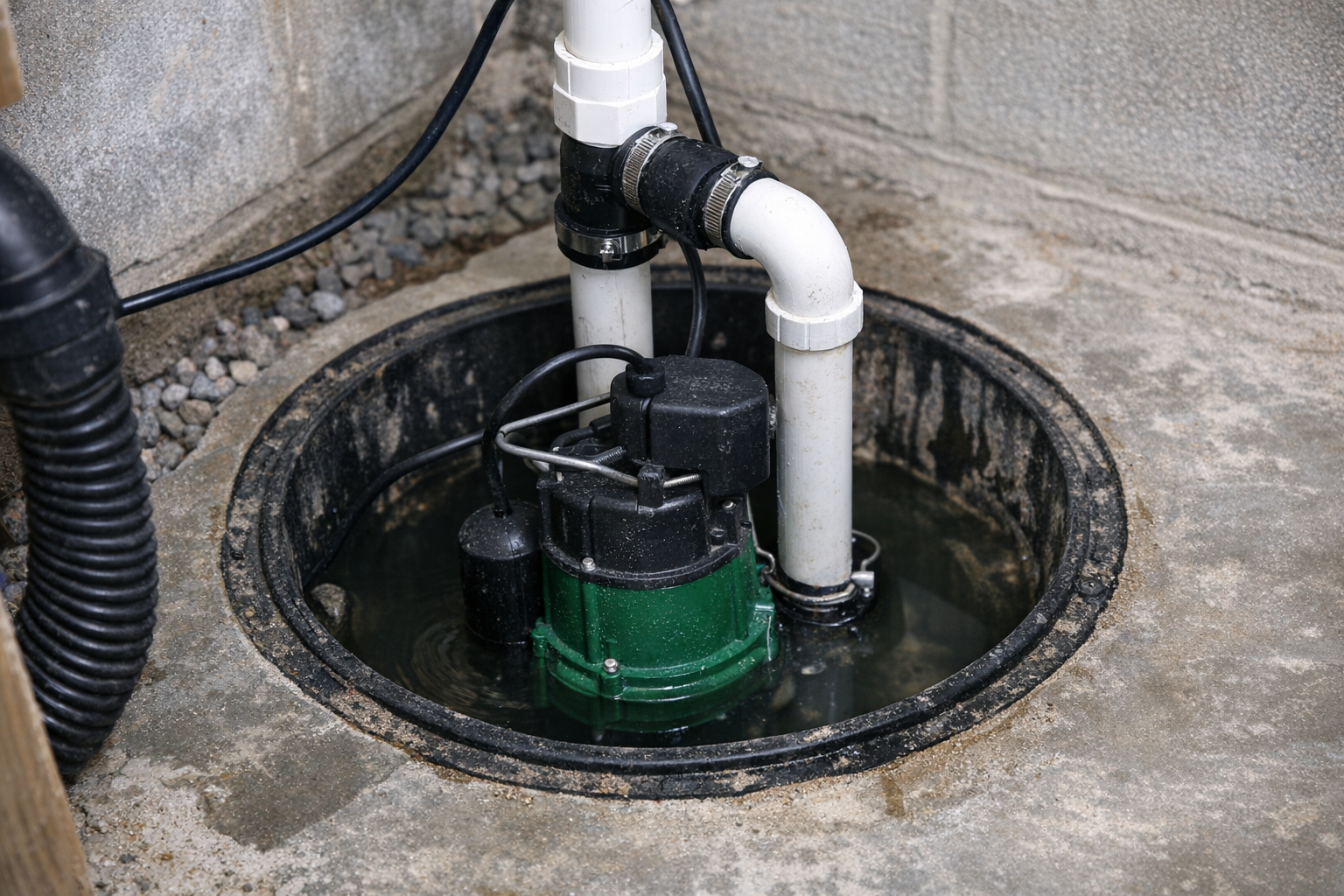
- 1. Submersible Sump Pumps
Installed inside the pit and fully submerged. Quieter and more efficient, commonly used in modern homes.
- 2. Pedestal Sump Pumps
Motor sits above the pit. Easier to service but louder and less powerful.
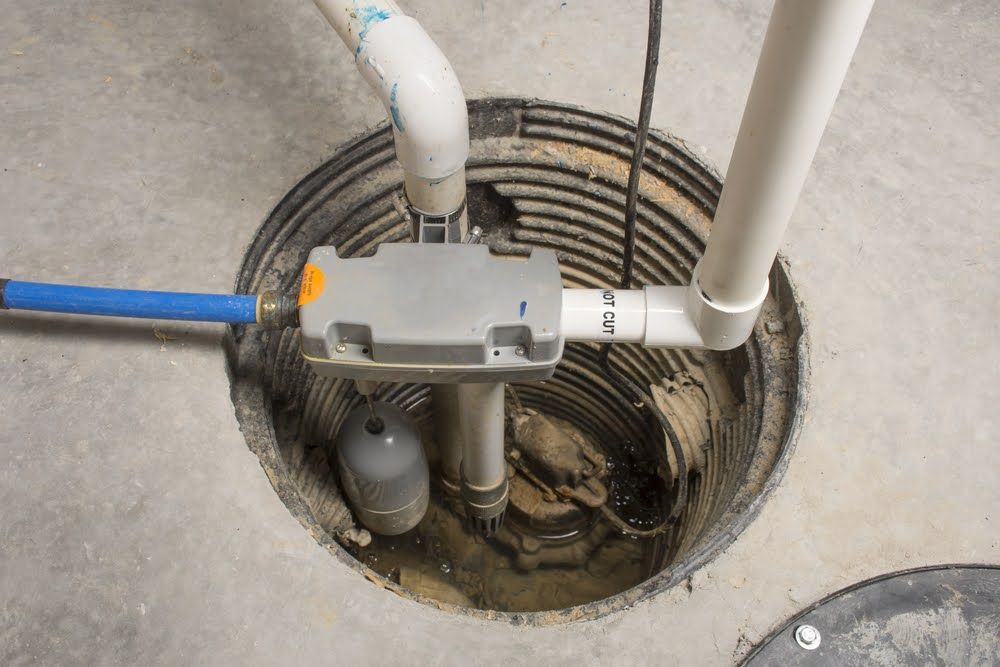
- 3. Battery Backup Systems
Activates when power goes out—critical during storms when flooding risk is highest.
- 4. Water-Powered Backup Pumps
Uses municipal water pressure instead of electricity.
Each system has its place, but in many Cambridge homes, a primary pump with a battery backup provides the best protection.
Signs Your Sump Pump Is Failing
Warning Signs You Shouldn’t Ignore
Sump pumps often fail quietly—until it’s too late. Knowing the warning signs can help you act before a flood happens.
- 1. Strange Noises
Grinding, rattling, or vibrating sounds can indicate motor or impeller issues.
- 2. Constant Running or Short Cycling
The pump turns on and off too frequently or never shuts off.
- 3. Failure to Activate
Water fills the pit, but the pump doesn’t turn on.
- 4. Visible Rust or Corrosion
Indicates aging components and possible failure.
- 5. Water in the Basement
The most obvious—and most serious—sign.
If you notice any of these, it’s time to look into professional
sump pump repair services.
How to Maintain Your Sump Pump
Simple Steps That Prevent Major Problems
Routine maintenance is one of the most overlooked aspects of sump pump ownership. A few simple checks can prevent costly damage.
- 1. Test the Pump Regularly
Pour water into the pit to ensure it activates and drains properly.
- 2. Clean the Pit
Remove debris that could clog the pump or float switch.
- 3. Check the Discharge Line
Make sure water is being directed away from your home.
- 4. Inspect the Float Switch
Ensure it moves freely and isn’t obstructed.
- 5. Test Backup Systems
Especially before heavy rain seasons.
Regular maintenance falls under general
plumbing services, helping ensure your system is ready when you need it most.
When to Repair vs Replace a Sump Pump
Knowing the Right Move
Not every issue requires a full replacement, but sometimes it’s the smarter long-term decision.
Repair may be enough if:
- The issue is minor (float switch, clog, discharge issue)
- The unit is relatively new
Replacement is recommended if:
- The pump is over 7–10 years old
- There are repeated failures
- The motor is failing
- You don’t have a backup system installed
Upgrading to a newer, more reliable system can provide peace of mind—especially in flood-prone areas.
What Happens If Your Sump Pump Fails?
The Real Risk
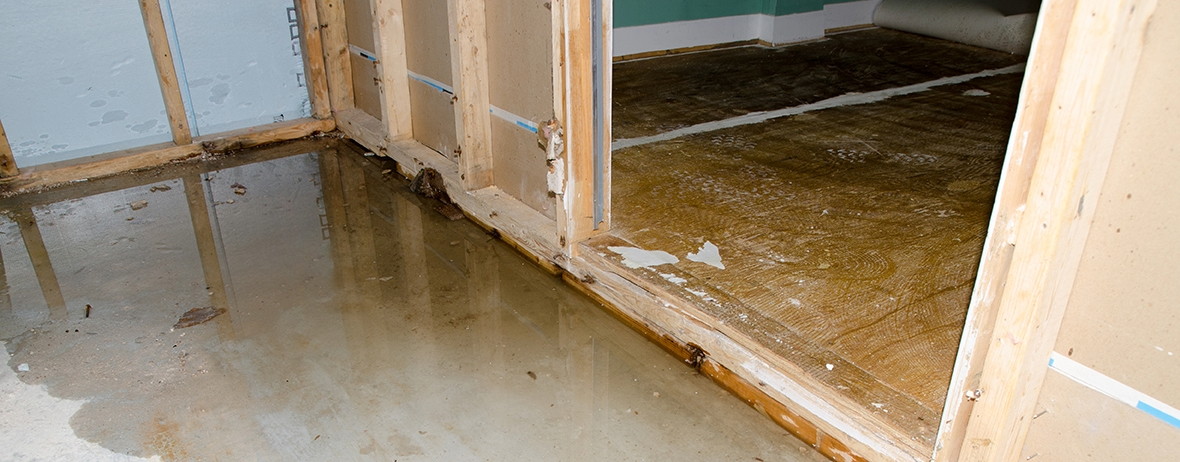
A failed sump pump during heavy rain can result in:
- Basement flooding within hours
- Water damage to flooring and drywall
- Mold growth
- Damage to stored belongings
- Expensive cleanup and restoration costs
This is why many homeowners also consider
emergency plumbing services when dealing with sudden sump pump failures.
Preventing Basement Flooding
Beyond Just the Pump
While sump pumps are essential, they work best as part of a complete system.
- Ensure proper grading around your home
- Keep gutters and downspouts clear
- Extend downspouts away from the foundation
- Install a backup pump system
- Schedule regular inspections
These measures reduce the amount of water reaching your foundation in the first place.
Installation Considerations
Doing It Right the First Time
Proper installation is critical for performance.
Key factors include:
- Correct pit depth and placement
- Proper discharge routing
- Check valve installation to prevent backflow
- Electrical setup with backup options
Improper installation can lead to early failure or ineffective water removal.
Why Sump Pumps Matter in Older Homes
Increased Risk Factors
Many homes in Cambridge and surrounding areas have older drainage systems that were not designed for today’s conditions.
These homes may have:
- Smaller or outdated sump pits
- Inefficient pumps
- No backup systems
- Increased groundwater intrusion
Upgrading these systems can significantly reduce flood risk.
Final Thoughts
A sump pump is not something you think about every day—but when you need it, it needs to work perfectly.
Proper maintenance, timely repairs, and smart upgrades can make the difference between a dry basement and a costly disaster. In a region like Cambridge and the Waterloo Region, where water management is critical, having a reliable sump pump system is one of the best investments a homeowner can make.