What Causes Pipes to Burst?
The Most Common Reasons Behind Pipe Failure
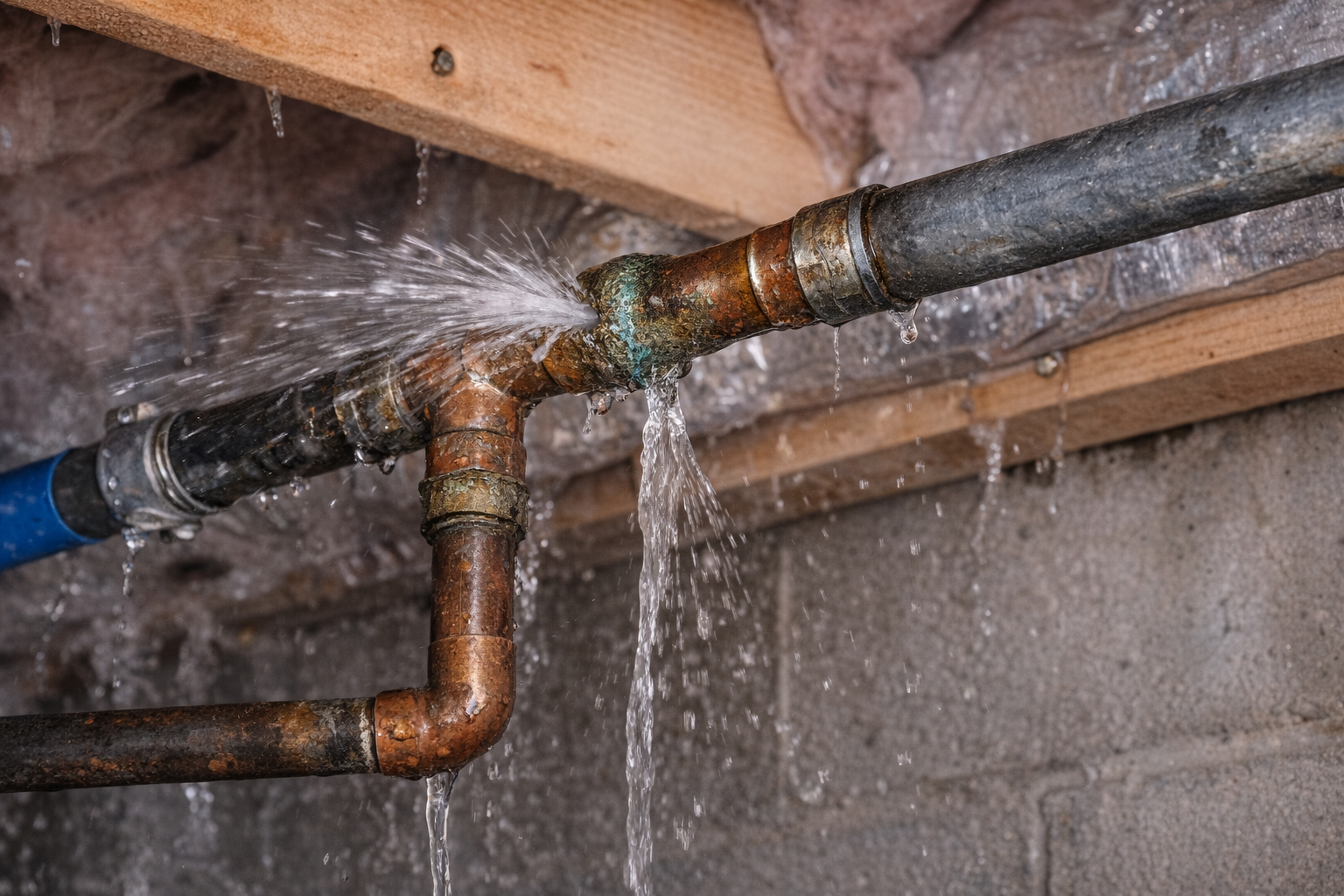
Burst pipes rarely happen without warning signs or contributing factors. In most cases, they are the result of pressure buildup, material failure, or environmental conditions.
- 1. Freezing Temperatures
When water inside a pipe freezes, it expands. This expansion creates internal pressure that the pipe cannot withstand, leading to cracks or complete rupture.
- 2. Aging or Corroded Pipes
Over time, pipes weaken due to corrosion, especially in older homes. This reduces their ability to handle pressure changes.
- 3. Excessive Water Pressure
High water pressure places constant stress on pipes and joints. Over time, this weakens the system and increases the likelihood of failure.
- 4. Poor Installation or Weak Connections
Improper fittings or low-quality materials can fail even under normal operating conditions.
- 5. Physical Damage or Shifting
Renovations, foundation movement, or accidental impact can weaken pipe integrity.
Immediate Steps to Take When a Pipe Bursts
Act Fast to Minimize Damage
Speed is everything in this situation. The faster you respond, the more you limit damage.
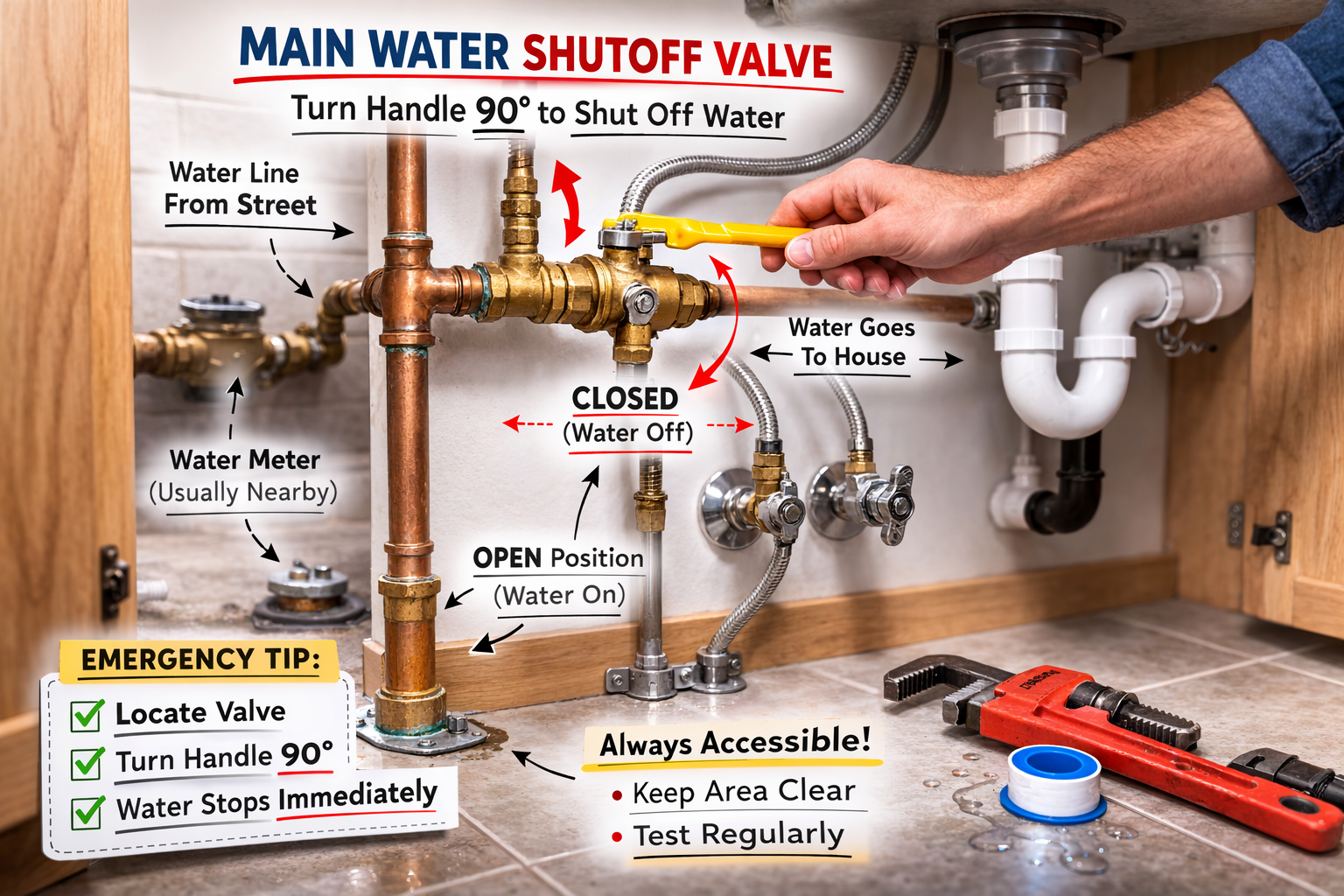
- 1. Shut Off the Main Water Supply Immediately
This stops the flow of water and prevents further flooding. Every homeowner should know where this valve is located.
- 2. Turn Off Electricity if Necessary
If water is near outlets, appliances, or your electrical panel, shut off power to avoid serious hazards.
- 3. Drain Remaining Water in the System
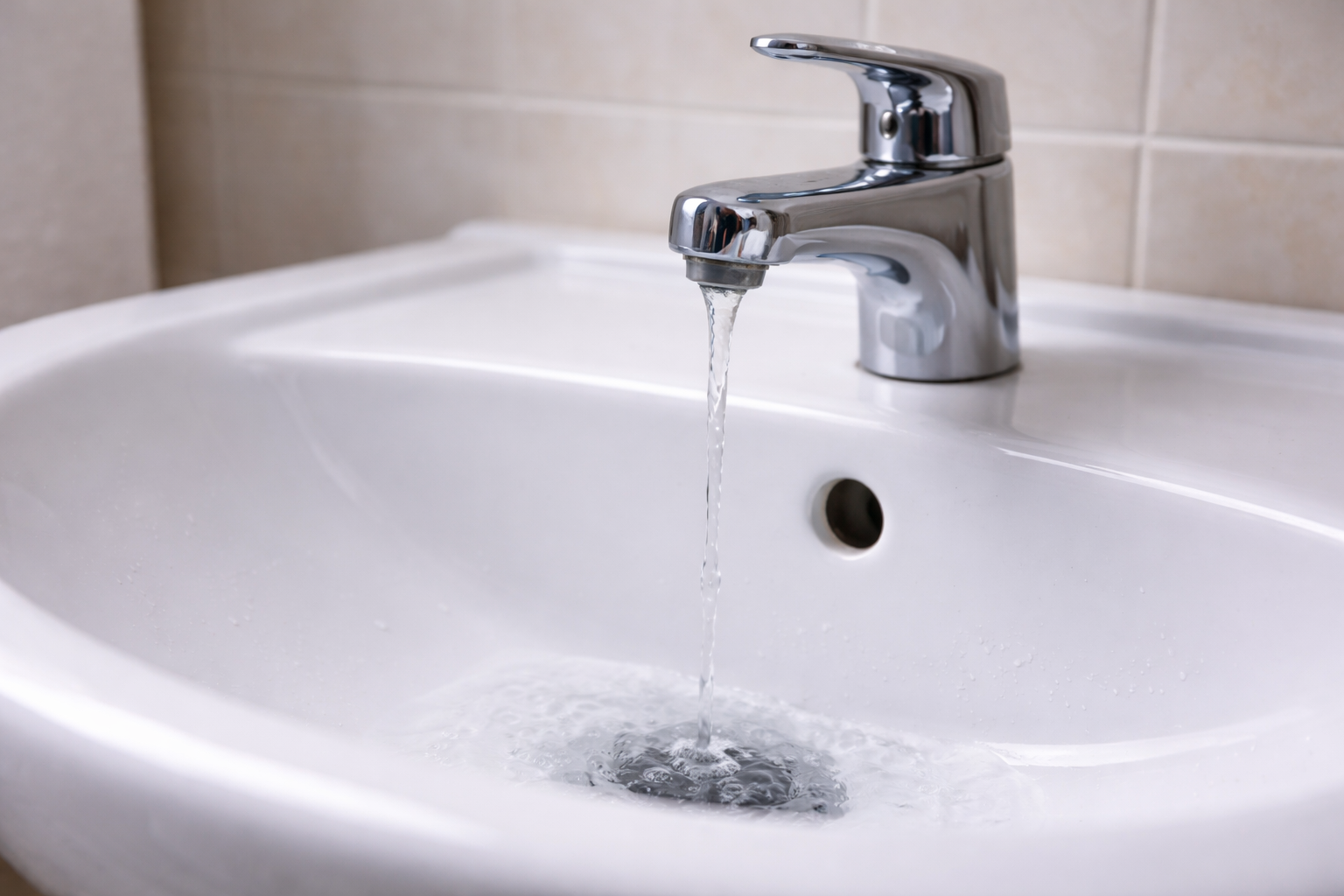
Open faucets to release pressure and clear remaining water from the pipes.
- 4. Contain the Leak
Use buckets, towels, or containers to reduce the spread of water.
- 5. Move Furniture and Valuables
Protect anything that could be damaged by moisture.
Controlling Damage Before Help Arrives
What to Do in the First Hour
Once the water is shut off, your focus shifts to limiting damage.
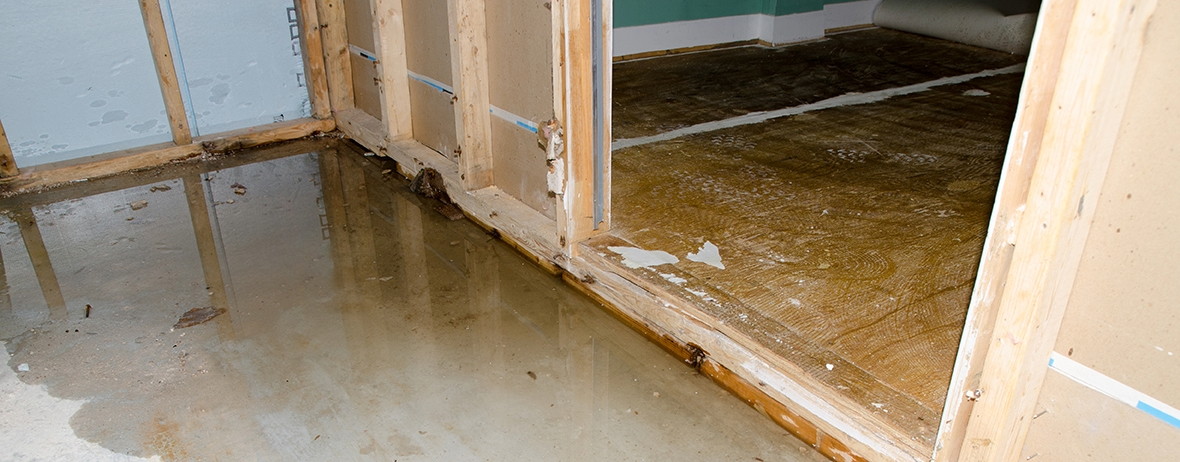
Water left sitting will continue to cause issues, so immediate cleanup is critical.
- Remove standing water using towels or a wet vacuum
- Increase airflow with fans or open windows
- Use dehumidifiers to pull moisture from the air
- Lift rugs and materials off wet surfaces
Taking these steps early can significantly reduce repair costs and prevent long-term issues like mold growth.
Why Professional Repair Is Critical
What Needs to Be Done Properly
Fixing a burst pipe is not just about stopping the visible leak. It requires a full understanding of your plumbing system to ensure no additional weak points remain.
Professional
emergency plumbing services address:
- Safe removal and replacement of damaged pipe sections
- Inspection of surrounding piping for weaknesses
- Pressure testing to confirm system stability
- Ensuring all repairs meet code and safety standards
Temporary fixes often fail because they don’t address the root cause of the issue.
Signs of Hidden Damage After a Burst Pipe
What to Watch for After the Repair
Even after repairs are completed, problems can continue to develop if moisture remains trapped.
Watch for:
- Musty or damp odors
- Warped or soft flooring
- Bubbling paint or drywall
- Mold growth in corners or hidden areas
- Ongoing drops in water pressure
If any of these appear, further inspection is necessary.
How to Prevent Burst Pipes
Long-Term Protection Strategies
Preventing a burst pipe is significantly easier—and cheaper—than dealing with one.
- 1. Insulate Exposed Pipes
Pipes in basements, garages, and exterior walls are most at risk.
- 2. Maintain Consistent Indoor Temperatures
Avoid letting your home get too cold, especially during winter.
- 3. Let Faucets Drip During Extreme Cold
Moving water reduces the chance of freezing.
- 4. Seal Drafts Around Plumbing Areas
Prevent cold air from reaching pipes.
- 5. Monitor Water Pressure Levels
Excess pressure weakens pipes over time.
- 6. Schedule Routine Inspections
Regular checks under
plumbing services can identify issues before failure occurs.
Why This Is a Major Issue in Cambridge & Waterloo Region
Local Climate and Housing Factors
Homes in this region face specific risks that increase the likelihood of burst pipes:
- Harsh winter temperatures
- Older homes with outdated plumbing
- Unfinished basements with exposed pipes
- Seasonal property vacancies
These conditions make preventative measures especially important for homeowners.
Repair vs Replacement: What to Expect
How the Situation Is Handled
Depending on the severity, repairs may involve:
- Replacing a small section of pipe
- Upgrading materials to more durable options like PEX
- Reinforcing nearby connections
- Addressing pressure issues within the system
In older homes, multiple sections may require attention to prevent future failures.
The Cost of Ignoring a Burst Pipe
Why Immediate Action Matters
Delaying action can dramatically increase the scope of damage.
Potential consequences include:
- Structural repairs to walls and flooring
- Mold remediation
- Replacement of insulation and drywall
- Increased insurance claims and complications
What begins as a plumbing issue can quickly escalate into a major restoration project.
Final Thoughts
A burst pipe is one of the most damaging plumbing emergencies—but also one of the most manageable when handled correctly.
Knowing what to do immediately, acting quickly, and taking preventative steps can significantly reduce both damage and cost. Preparation is what separates a manageable situation from a catastrophic one.