Common Causes of Sewer Backups
What’s Actually Blocking Your System
Sewer backups are typically caused by gradual buildup or structural failure inside the main line.
Tree root intrusion is one of the most common causes. Roots grow toward moisture and can enter even the smallest crack in a pipe, eventually expanding and blocking flow entirely.
Grease buildup is another major factor. When grease is poured down drains, it cools and hardens inside pipes, restricting flow and trapping debris over time.
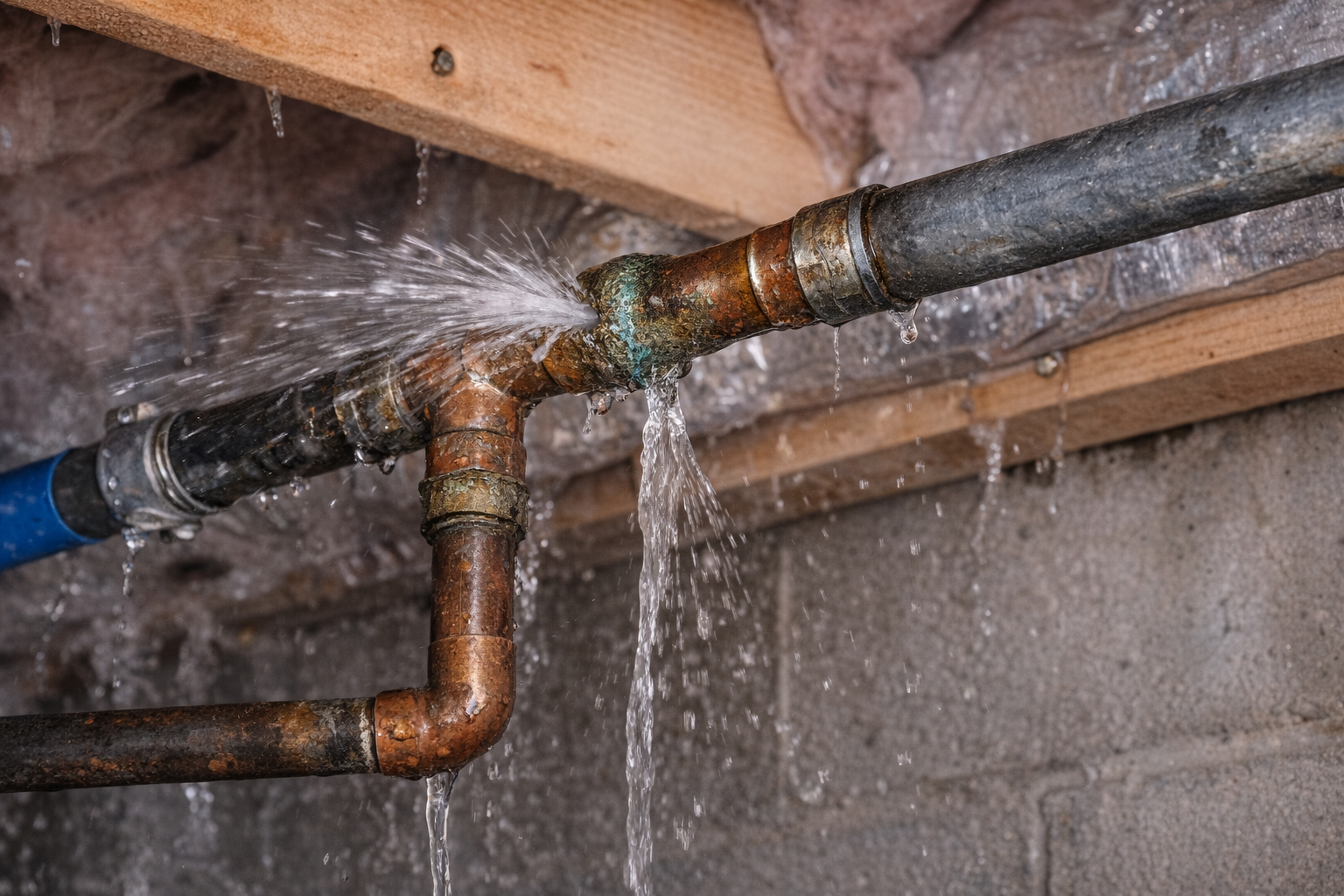
Older pipes made from clay or cast iron can also crack, collapse, or shift. When this happens, wastewater cannot pass through properly, leading to backups.
Heavy rainfall can also overwhelm municipal sewer systems, forcing water back toward residential properties.
Warning Signs of a Sewer Backup
Early Indicators You Should Never Ignore
Sewer backups rarely happen without warning.
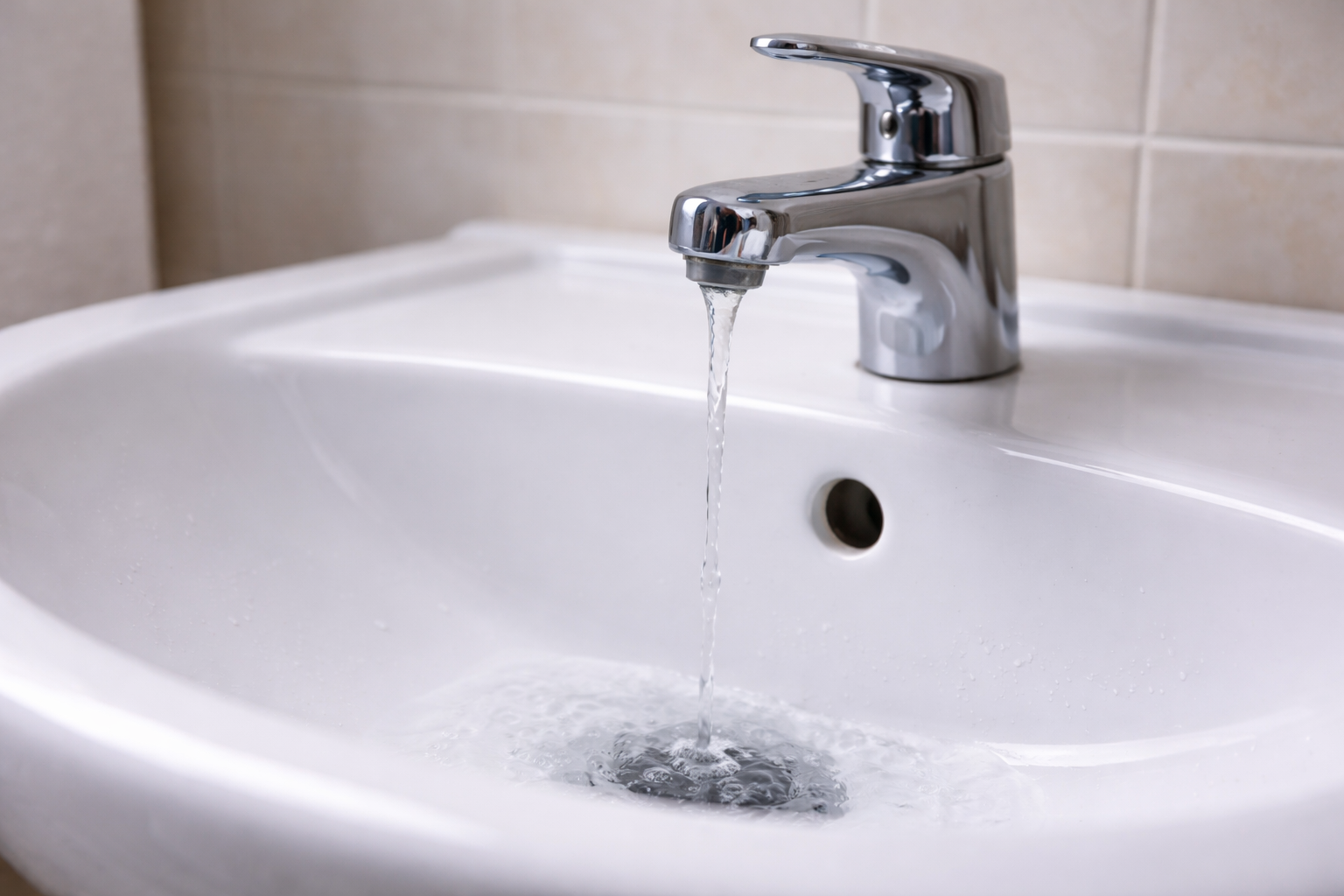
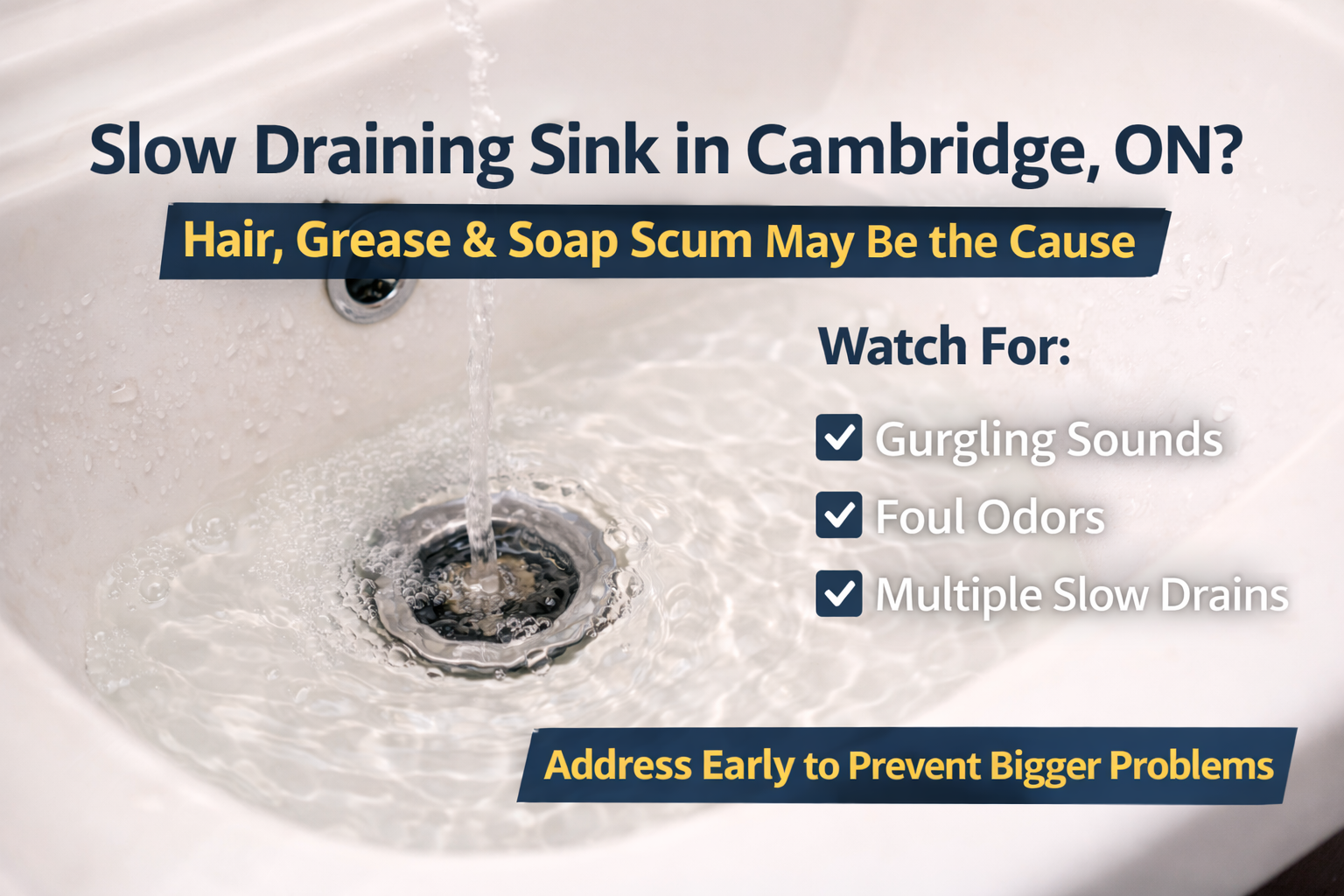
If multiple drains in your home begin to slow down at the same time, it usually points to a main line issue rather than a localized clog.
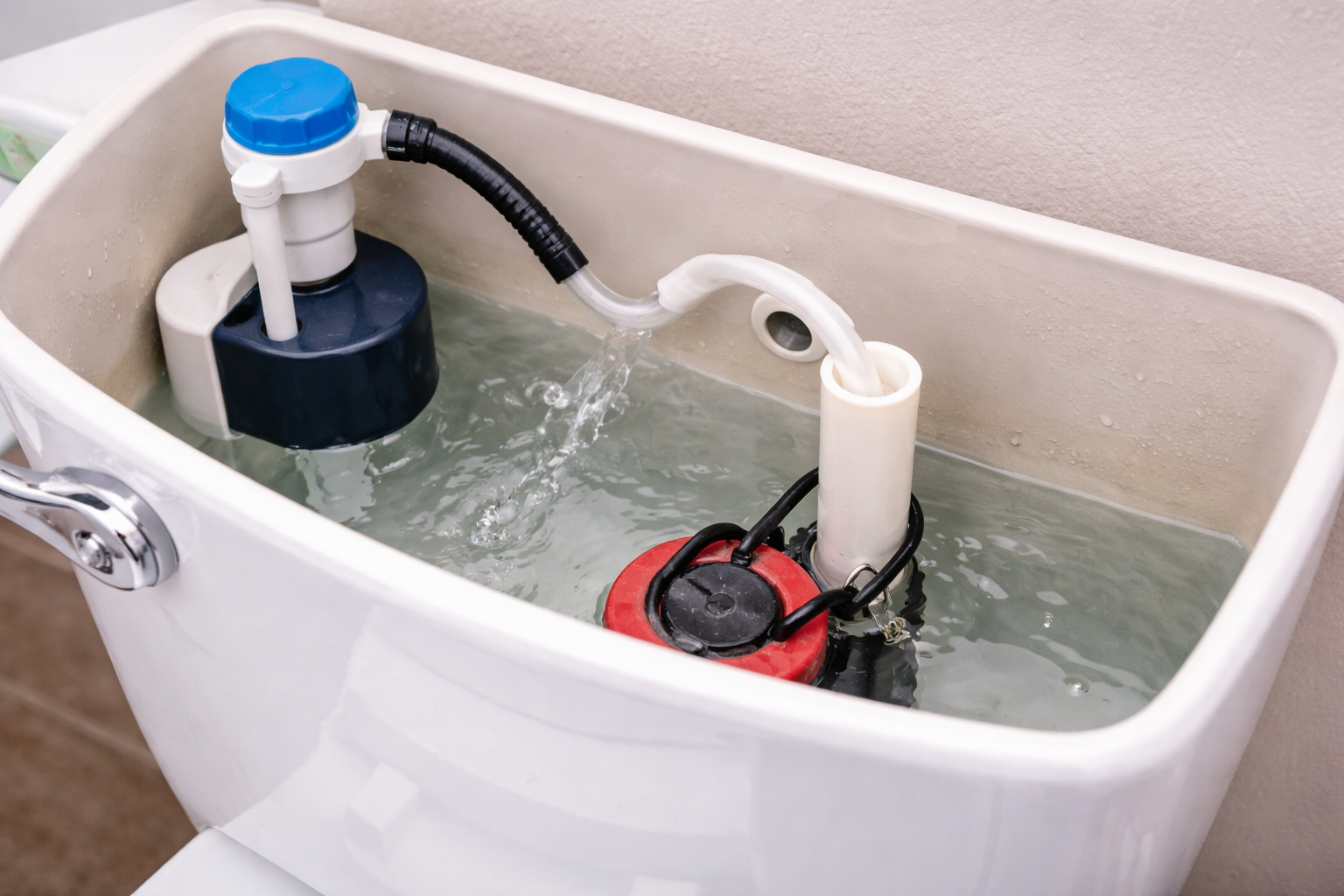
Gurgling sounds coming from toilets or drains are another warning sign caused by air displacement within restricted pipes.
Foul sewer odors inside the home often indicate that wastewater is not flowing properly through the system.
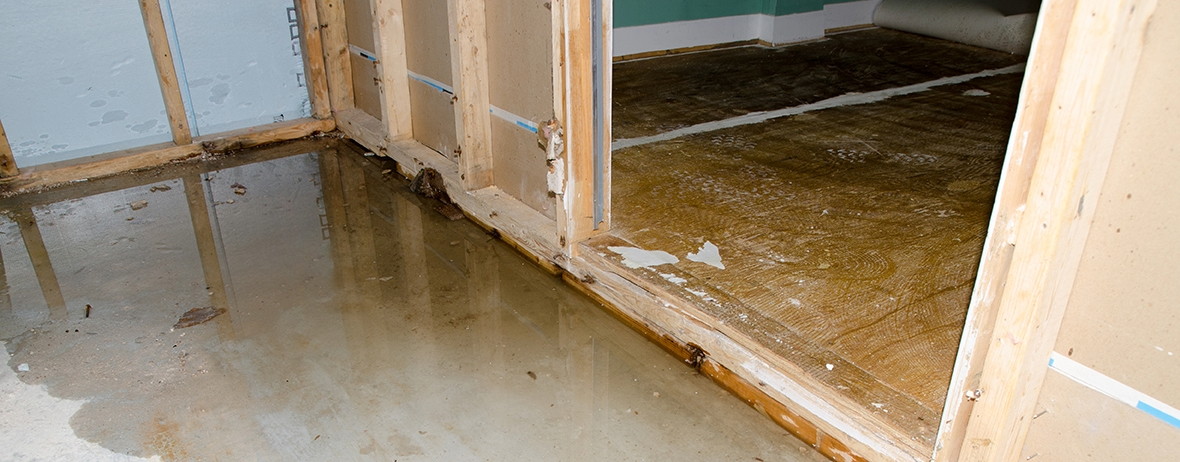
Water backing up through basement floor drains is one of the most serious indicators and should be addressed immediately.
What to Do Immediately
Emergency Response Steps
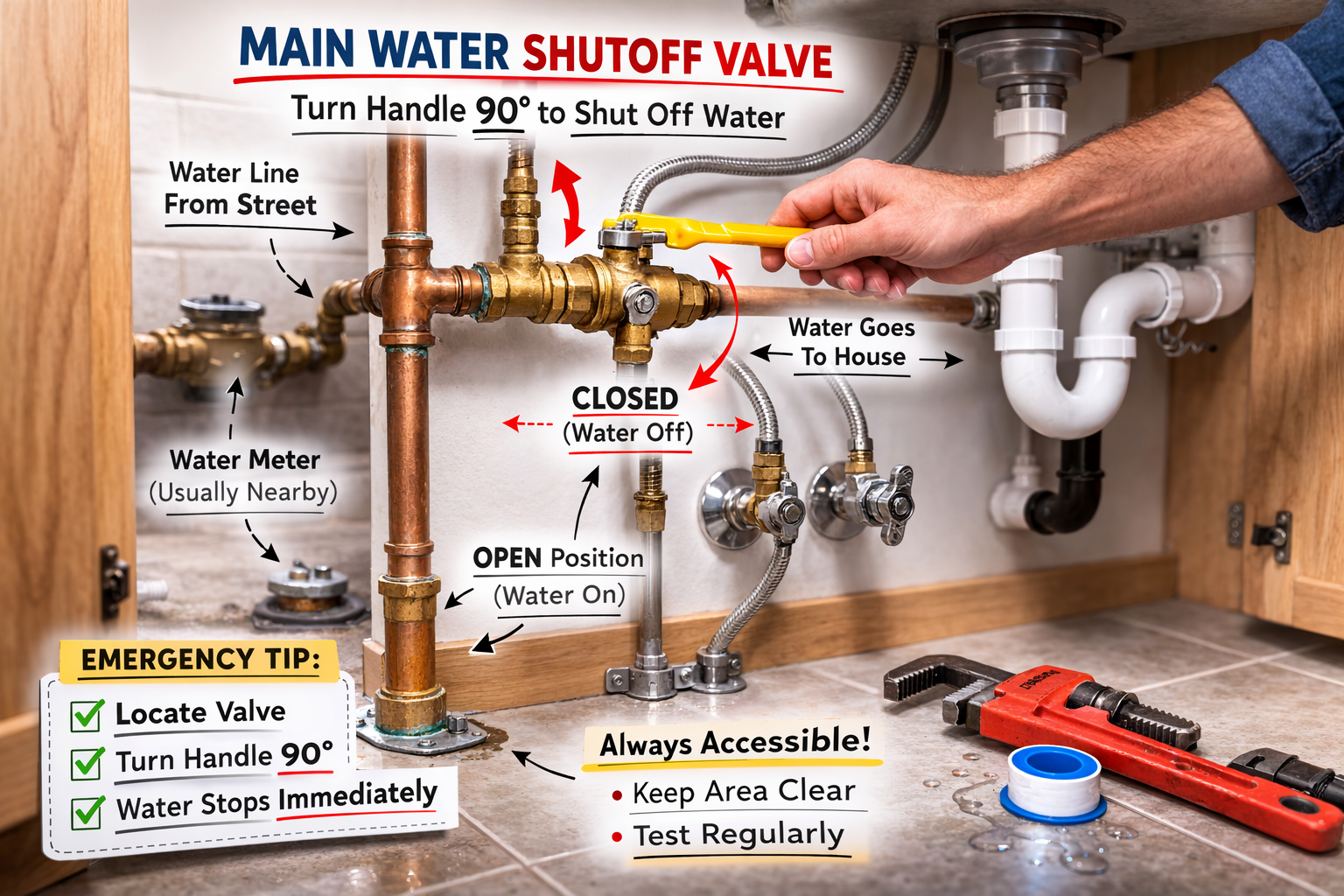
If you suspect a sewer backup, stop using all water in the home immediately. Running water will worsen the situation.
Avoid contact with any backed-up water, as it may contain harmful bacteria and contaminants.
At this point, professional help is required. Situations like this are handled through emergency plumbing services to properly diagnose and resolve the issue.
Why Sewer Backups Are Common in Cambridge
Local Infrastructure Factors
Homes in Cambridge and the Waterloo Region face several conditions that increase the likelihood of sewer backups.
Older sewer systems are more prone to deterioration and blockage. Tree-lined streets contribute to root intrusion, and seasonal weather patterns—especially heavy rain and snowmelt—put additional strain on municipal systems.
How Professionals Fix Sewer Backups
What Actually Solves the Problem
Proper repair starts with identifying the root cause.
Camera inspections allow plumbers to see inside the sewer line and locate the exact issue.
Hydro jetting is commonly used to remove grease, debris, and buildup from inside the pipe.
If tree roots are present, specialized equipment is used to remove them. In cases where the pipe is damaged, repair or replacement may be required.
These solutions fall under drain cleaning services and full system inspection.
How to Prevent Sewer Backups
Long-Term Protection
Preventing sewer backups starts with proper usage habits.
Only flush toilet paper and avoid grease disposal. These simple habits significantly reduce buildup risk.
Routine inspections help catch early-stage problems before they escalate.
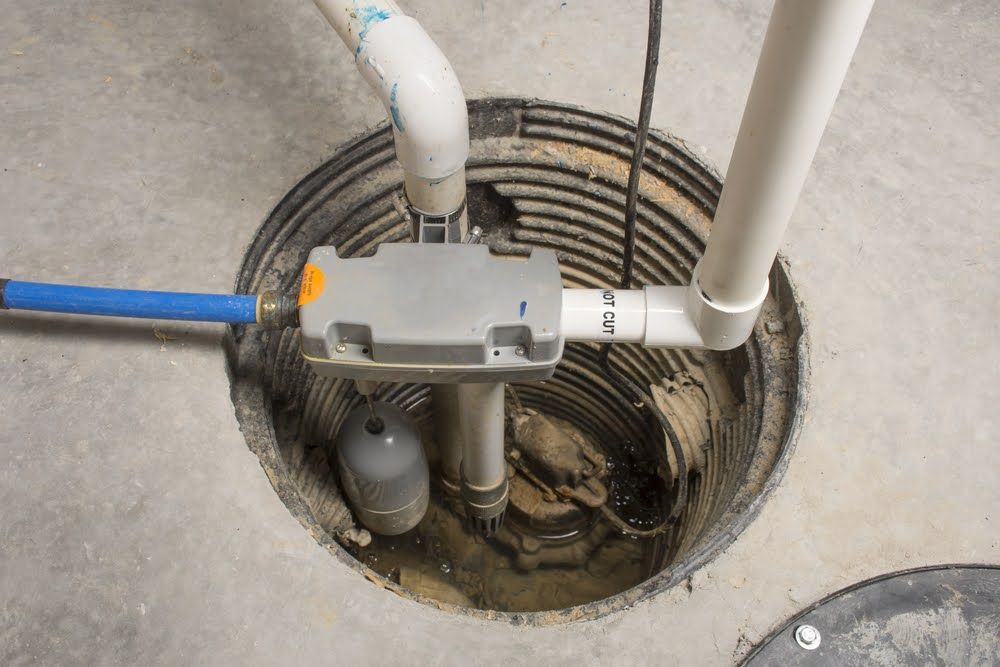
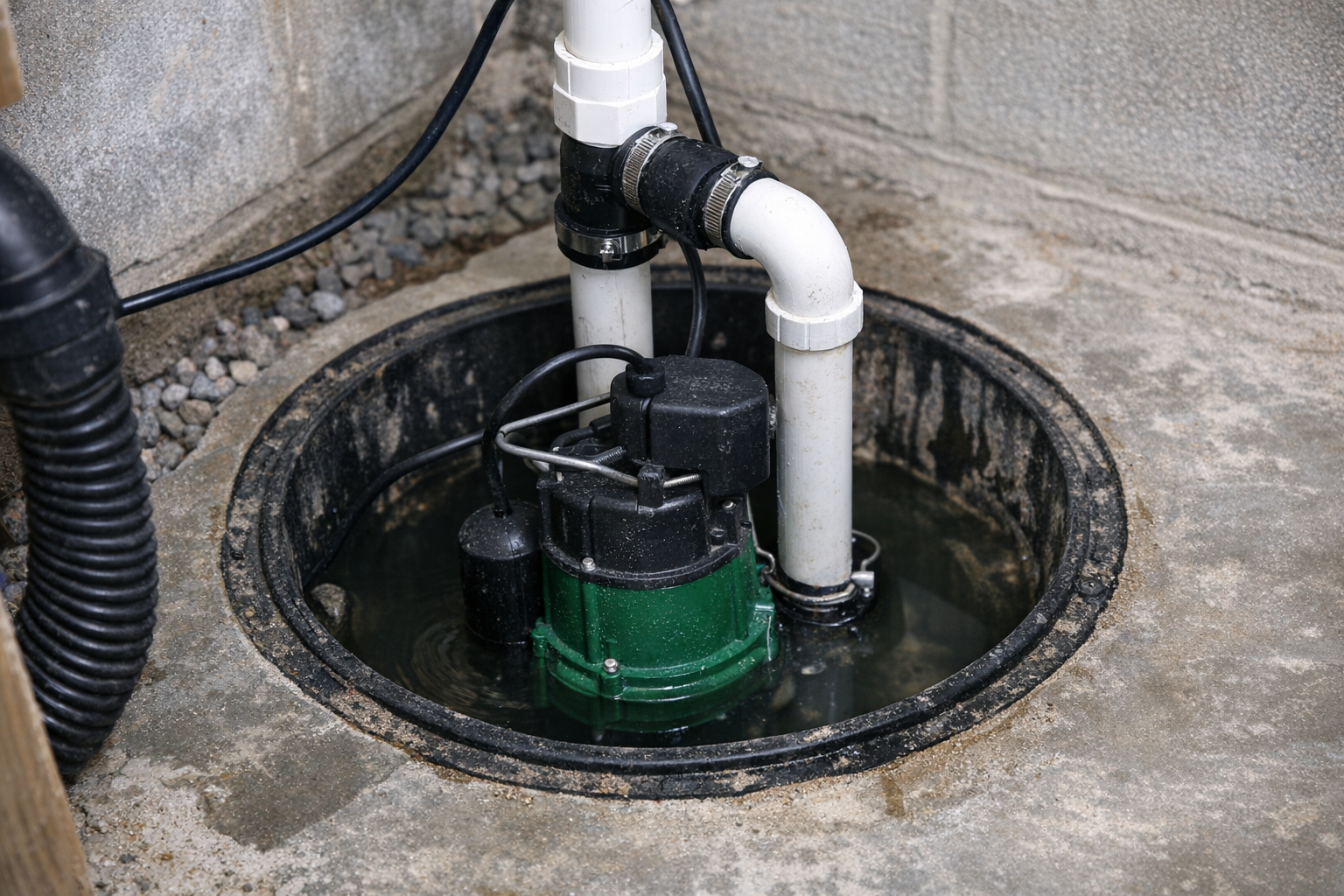
Installing a backwater valve adds protection by preventing reverse flow during sewer overload.
Final Thoughts
Sewer backups are full-system failures that require immediate attention. Recognizing early signs and acting quickly can prevent serious damage.