Why Is My Water Pressure So Low?

March 19, 2026

Share this article

Why Is My Water Pressure So Low?


What Low Water Pressure Really Means


Understanding What’s Happening Behind the Walls


Low water pressure is one of the most frustrating plumbing issues a homeowner can experience. Whether you’re trying to take a shower, wash dishes, or run appliances, weak water flow can disrupt your entire routine.


In a properly functioning plumbing system, water should flow consistently and with enough pressure to support multiple fixtures at once. When pressure drops, it typically means something is restricting flow, reducing volume, or interfering with how water is distributed throughout your home.


In Cambridge and across the Waterloo Region, this issue is especially common in older homes where piping systems may be outdated or partially corroded.

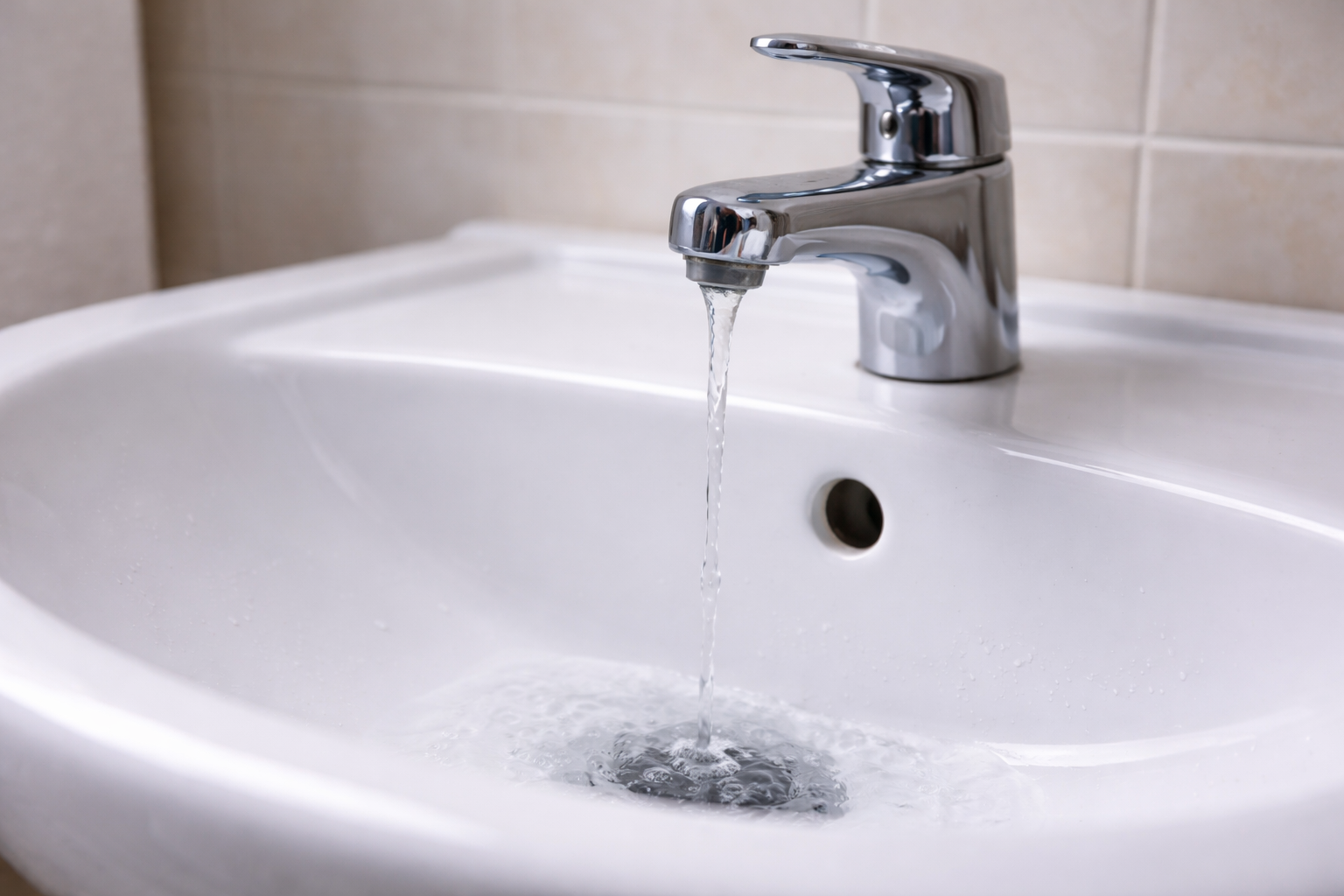
A chrome faucet centered over a white bathroom sink with a steady stream of water flowing into the drain.

Common Causes of Low Water Pressure


What Could Be Restricting Your Water Flow


Low water pressure rarely has a single cause. In most cases, it’s tied to one of the following issues:


  • 1. Mineral Buildup in Pipes
    Over time, minerals from hard water accumulate inside pipes, narrowing the interior diameter and restricting flow.

  • 2. Corroded Plumbing Lines
    Older galvanized steel pipes are especially prone to internal corrosion, which severely limits water movement.

  • 3. Partially Closed Shut-Off Valves
    Even a slightly closed valve can significantly reduce pressure throughout your home.

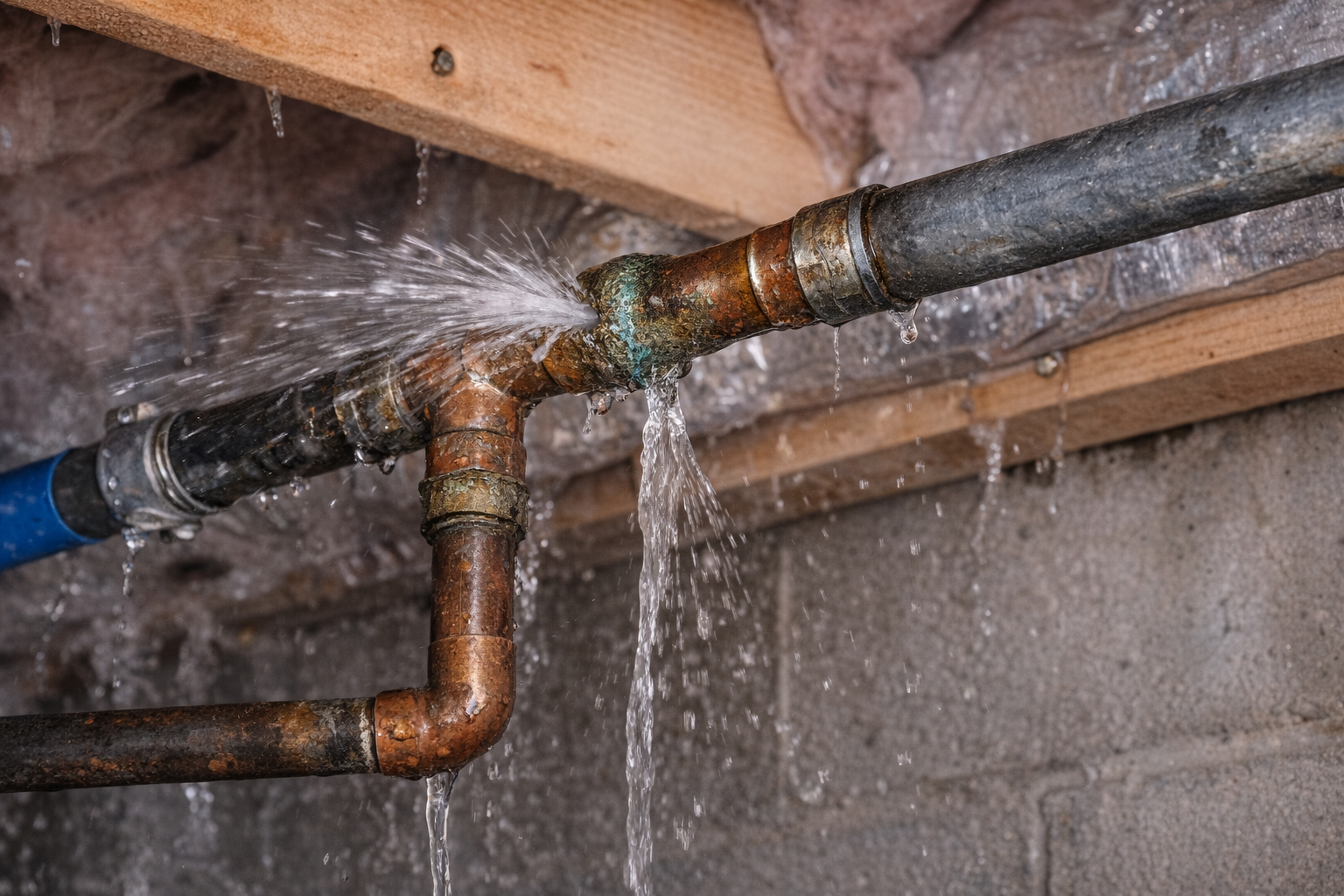
  • 4. Hidden Leaks
    Leaks divert water away from fixtures, reducing pressure and increasing utility costs.

  • 5. Faulty Pressure Regulator
    If your home has a pressure-reducing valve, a malfunction can cause noticeable drops in pressure.

  • 6. Municipal Supply Issues
    Sometimes the issue originates outside your home, especially during maintenance or peak usage times.

How to Diagnose Low Water Pressure


Narrowing Down the Source


Identifying the cause is critical before attempting any fix.

Start with these checks:


  • Test multiple fixtures in different areas of the home
  • Compare hot vs. cold water pressure
  • Check if pressure drops when multiple fixtures are used

This helps determine whether the issue is isolated or system-wide.


Fixes for Low Water Pressure


What You Can Do Immediately


  • 1. Clean Faucet Aerators
    Mineral buildup often clogs aerators, reducing flow at the fixture level.

  • 2. Check Shut-Off Valves
    Ensure both main and fixture valves are fully open.

  • 3. Inspect for Visible Leaks
    Look under sinks, around appliances, and along exposed piping.

Professional Solutions That Actually Fix the Problem


If basic troubleshooting doesn’t resolve the issue, it’s time for deeper solutions:


  • Pipe replacement (especially for older homes)
  • Pressure regulator replacement
  • Leak detection and repair
  • Full system inspection

These services typically fall under general plumbing services, which address system-wide performance issues.


When to Call a Professional


Signs the Problem Isn’t DIY


  • Pressure is low throughout the entire home
  • The issue appeared suddenly
  • You suspect a hidden leak
  • Your home has older piping

In these cases, professional diagnosis is necessary to avoid worsening the issue.


Preventing Low Water Pressure


Long-Term Maintenance Tips


  • Schedule periodic plumbing inspections
  • Address small leaks immediately
  • Consider upgrading old piping systems
  • Install a water softener if mineral buildup is severe

Why This Matters in Cambridge & Waterloo Region


Local Factors That Contribute


Homes in this region often deal with:


  • Hard water conditions
  • Aging infrastructure
  • Seasonal demand fluctuations

These factors make preventative maintenance even more important.


Final Thoughts


Low water pressure is more than just an inconvenience—it’s a sign your plumbing system isn’t performing as it should. Addressing it early can prevent larger, more expensive problems down the line.

Recent Posts

A white water heater tank leaking water onto a concrete floor.
March 16, 2026
Leaking water heater tank in Cambridge, ON? Learn why water heaters leak, warning signs of failure, and when replacement may be necessary.
A copper water hammer arrestor installed on a horizontal copper pipe between two wooden wall studs.
March 12, 2026
Hearing banging pipes in Cambridge, ON? Learn what water hammer is, why it happens, and how to stop noisy plumbing before it damages your pipes.
Snow-covered rooftop with a black vent pipe protruding. Snowflakes on shingles, houses in the blurry background.
March 5, 2026
Plumbing venting problems in Cambridge, ON? Learn why vent pipes are critical, warning signs of blocked vents, and how poor venting causes slow drains and sewer odors.
A sink with slow drainage, water flowing. Text: Slow draining sink in Cambridge, ON? Hair, grease may be the cause. Watch for gurgling sounds, foul odors, slow drains.
March 2, 2026
Slow draining sink in Cambridge, ON? Learn the common causes, warning signs, and when a clogged drain may signal a bigger plumbing problem.
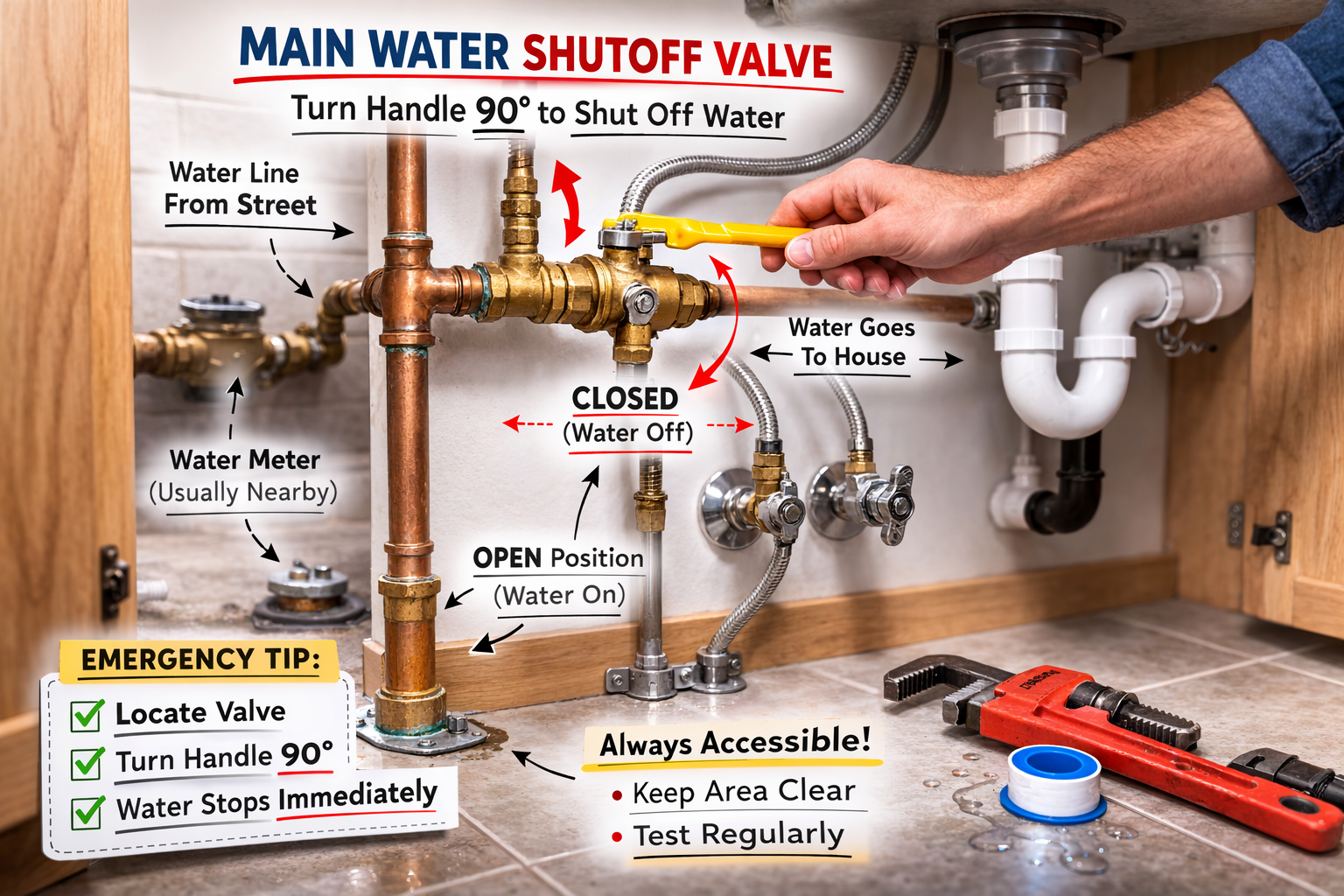
Diagram of a main water shutoff valve, with hand turning handle to close water flow.
February 26, 2026
Know where your emergency water shutoff valve is in Cambridge, ON? Learn why it’s critical, how to find it, and how it can prevent major water damage.
Red and blue PEX plumbing pipes with white fittings against a brown wall and wood frame.
February 18, 2026
Copper vs PEX piping in Cambridge, ON — which is better? Learn the pros, cons, costs, durability, and freeze resistance differences from the experts at Reliant Plumbing.
A hand holding a removed sink strainer above a dirty drain in a stainless steel kitchen sink.
By Mark Dekorte February 18, 2026
Bad smells coming from your sink in Cambridge, ON? Learn the common causes, from drain buildup to sewer gas, and how Reliant Plumbing can fix it fast.
Water pouring into glass from faucet; chlorine tablets and warning sign on counter.
February 18, 2026
Does your tap water smell like chlorine in Cambridge, ON? Learn why it happens, whether it’s safe, and how to reduce chlorine taste and odor in your home.