Chlorine Smell in Tap Water in Cambridge, ON: Is It Safe?
If your tap water smells like a swimming pool, you’re not alone. Many homeowners in Cambridge, ON notice a chlorine smell coming from their kitchen sink, bathroom faucet, or shower at different times of the year.
Chlorine odor can be mild, strong, or seem to appear suddenly.
Naturally, that raises concerns.
Is the water safe to drink?
Is something wrong with your plumbing?
Should you be worried?
In most cases, a chlorine smell in tap water is normal. But understanding why it happens — and when it may signal a problem — is important.
Why Is Chlorine Added to Drinking Water?
Municipal water systems use chlorine to disinfect drinking water. Chlorine eliminates harmful bacteria, viruses, and microorganisms before water reaches homes.
Without this disinfection process, public water would not be safe.
If you smell chlorine, it typically means the disinfectant is present and working as intended.
Why the Smell Can Vary Throughout the Year
Chlorine odor levels in Cambridge, ON can fluctuate for several reasons.
1. Seasonal Temperature Changes
Warmer water releases chlorine into the air more easily. During spring and summer, chlorine may smell stronger even if levels have not changed.
2. Municipal System Maintenance
Water systems periodically flush hydrants and adjust disinfectant levels. During these periods, chlorine smell can temporarily increase.
3. Heavy Rainfall or Snowmelt
Changes in source water conditions may require slight adjustments in treatment to maintain safe standards.
These variations are monitored and regulated.
Is Chlorine in Tap Water Safe?
Yes.
Ontario drinking water systems operate under strict provincial standards. Chlorine levels are carefully monitored to ensure water remains safe for:
- Drinking
- Cooking
- Bathing
- Laundry
A noticeable odor does not automatically mean unsafe water.
However, extremely strong or sudden changes should be evaluated.
When Should You Be Concerned?
While chlorine smell alone is usually harmless, further inspection may be appropriate if you notice:
- Extremely strong bleach-like odor
- Sudden dramatic change in smell
- Cloudy or discoloured water
- Metallic or unusual taste
- Persistent odor that does not fade after running water
In some cases, the issue may not be the municipal supply — it could be related to your home’s plumbing system.
Could the Chlorine Smell Be Coming From Your Plumbing?
Sometimes internal plumbing conditions can intensify chlorine odor.
Water Heater Sediment
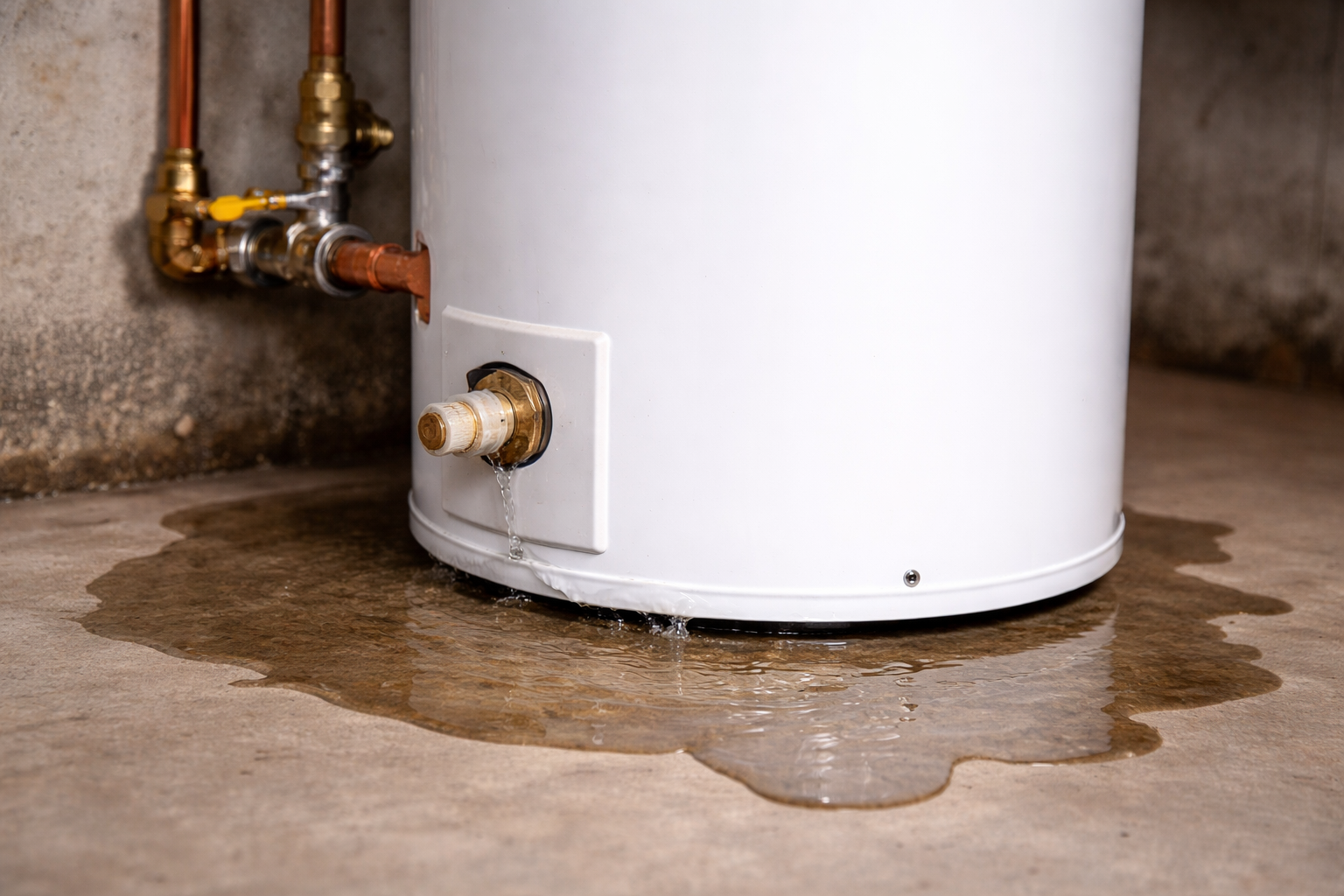
If the smell is stronger when using hot water, sediment buildup in the water heater may be interacting with disinfectants.
Flushing the water heater can sometimes reduce odor.
Stagnant Water in Pipes
If water sits unused in pipes for extended periods, chlorine compounds can concentrate. Running cold water for 30–60 seconds may reduce the smell.
Drain or Sink Bacteria
Occasionally, the odor may be coming from bacteria buildup inside the drain rather than the tap water itself. Cleaning the drain may eliminate the problem.
Why Does the Shower Smell Stronger Than the Sink?
Heat causes chlorine to vaporize more quickly.
When you shower, warm water releases chlorine into the air, making it easier to smell. This does not mean chlorine levels are higher — it simply becomes airborne faster.
How to Reduce Chlorine Smell in Tap Water
If chlorine odor bothers you, several solutions can help.
Install an Activated Carbon Filter
Activated carbon filters are highly effective at removing chlorine taste and smell.
Common options include:
- Faucet-mounted filters
- Under-sink filtration systems
- Whole-home water filtration systems
Let Water Run Before Use
Running cold water briefly flushes out water that has been sitting in pipes.
Store Drinking Water in the Refrigerator
Chlorine naturally dissipates when exposed to air. Keeping water in an open container in the fridge can reduce taste and odor.
Does Chlorine Damage Plumbing?
At regulated levels, chlorine does not damage modern plumbing systems.
However, over many years, certain water chemistry conditions combined with aging metal pipes may contribute to wear. Homes with older copper or galvanized piping may experience different long-term effects than homes with newer PEX systems.
Final Thoughts on Chlorine Smell in Tap Water in Cambridge, ON
A chlorine smell in tap water in Cambridge, ON is typically a sign that your water is properly disinfected.
In most cases, it reflects normal municipal treatment processes and seasonal adjustments.
However, strong, persistent, or unusual odors — especially when paired with other water quality concerns — should not be ignored.
Understanding the source helps determine whether simple filtration is enough or whether further plumbing evaluation may be needed.